How to Protect Customer Data in Retail: Best Practices for Cybersecurity

Best Practices for Protecting Customer Data in Retail Cybersecurity

In today’s digital age, protecting customer data is paramount for retail businesses. With cyber threats becoming increasingly sophisticated, retailers must adopt comprehensive cybersecurity measures to safeguard sensitive information. This guide outlines essential practices to help retailers protect customer data effectively.

Key Cybersecurity Practices

1. Data Encryption

Ensure that all customer data is encrypted when stored, transmitted, or processed. Encryption prevents unauthorized access by converting data into a coded format that can only be deciphered with the correct key.

2. Secure Network

Implement robust network security measures such as firewalls, intrusion detection systems, and regular vulnerability assessments. These defenses protect against cyber threats and unauthorized access.

3. Access Control

Limit access to sensitive customer data to authorized personnel only. Regularly review and update user permissions to ensure that only those who need access have it.

4. Regular Software Updates

Keep all software, including operating systems and applications, up to date with the latest security patches. This practice addresses known vulnerabilities that cybercriminals could exploit.

5. Employee Training

Provide comprehensive cybersecurity training to all retail staff. Educating employees about potential threats and best practices for data protection helps prevent accidental data breaches.

6. Incident Response Plan

Develop and regularly test an incident response plan. Being prepared to respond quickly and effectively to data breaches or cyber attacks minimizes damage and speeds up recovery.

7. Payment Card Security

Implement PCI DSS compliance standards to secure payment card data. Compliance with these standards helps prevent unauthorized access to sensitive payment information.

8. Data Backup and Recovery

Regularly backup customer data and test data recovery procedures. This ensures business continuity in the event of a cyber incident or data loss.

9. Vendor Risk Management

Assess and monitor the security practices of third-party vendors that have access to customer data. This prevents supply chain cyber threats from compromising your data security.

10. Regulatory Compliance

Stay informed of relevant data protection regulations such as GDPR and CCPA. Ensure compliance with all legal requirements to protect customer data and avoid hefty fines.

Common Challenges in Protecting Customer Data

1. Cybersecurity Threats

Retailers are prime targets for cybercriminals aiming to steal valuable customer information, including payment card details and personal information.

2. Compliance with Regulations

Navigating various data protection regulations can be complex. Retailers must adhere to strict guidelines for collecting, storing, and using customer data.

3. Insider Threats

Employees with access to sensitive data can pose significant risks if they misuse or inadvertently leak information.

4. Data Breaches

Vulnerabilities in systems or third-party vendors can lead to data breaches, compromising customer data.

5. Lack of Security Measures

Some retailers might not have adequate security measures like encryption and firewalls, making them vulnerable to cyber attacks.

6. Data Sharing Practices

Sharing customer data with third-party partners for marketing and analytics can increase exposure risk if proper safeguards aren’t in place.

7. Social Engineering Attacks

Fraudsters may use social engineering tactics to trick employees into providing access to customer data or sensitive systems.

8. Lack of Employee Training

Inadequately trained employees may mishandle customer data, leading to unintentional security breaches.

Consumer Data Protection is a Business Priority 

Protecting customer data in retail is a multifaceted challenge that requires diligence and proactive measures. By implementing the best practices outlined above, retailers can significantly reduce their risk of data breaches and build trust with their customers.

Ready to elevate your data security strategy? Book a consultation with our cybersecurity experts today and ensure your retail business is fortified against cyber threats. Protect your customers, protect your brand.

Best Practices for Retail Cybersecurity: Protecting Customer Data Effectively

In the retail industry, protecting customer data is paramount. The SamurAI offers top-notch cybersecurity solutions tailored to safeguard sensitive information and ensure compliance with best practices. Our expert team provides cutting-edge tools and strategies to prevent breaches, secure transactions, and maintain customer trust. Don’t leave your data protection to chance—partner with The SamurAI to fortify your retail business today. Contact us to learn how we can help you stay ahead of cyber threats and protect your valuable customer data!
Schedule a free 30-minutes consultation with us today to learn how our solutions can provide peace of mind and robust protection for your data.


The Role of Partnerships in Enhancing Cybersecurity Resilience

Enhancing Cybersecurity Resilience Through Strategic Partnerships

In today’s interconnected world, cyber threats are becoming increasingly sophisticated and pervasive. No single organization can combat these threats alone. Partnerships play a pivotal role in enhancing cybersecurity resilience by fostering collaboration, sharing intelligence, and leveraging collective expertise. This article explores the key types of partnerships that bolster cybersecurity resilience, the challenges they face, and notable success stories.

Key Partnerships Enhancing Cybersecurity Resilience

  1. Public-Private Partnerships

  Public-private partnerships involve collaboration between government agencies and private sector organizations. These partnerships enhance cybersecurity resilience by sharing threat intelligence, best practices, and resources to combat cyber threats. Government agencies often provide regulatory guidance and critical information about emerging threats, while private companies contribute technological innovations and practical solutions.

  1. Information Sharing and Analysis Centers (ISACs)

  ISACs are industry-specific organizations that facilitate the exchange of cyber threat information and coordinate incident response activities among their members. By pooling their knowledge, ISAC members improve the overall cybersecurity posture of their respective sectors. For instance, the Financial Services ISAC (FS-ISAC) plays a crucial role in safeguarding financial institutions against cyber threats.

  1. Cybersecurity Vendor Partnerships

  Organizations often partner with cybersecurity vendors to leverage their expertise, technologies, and services. These partnerships range from implementing advanced security solutions to proactive threat hunting and incident response. Vendors provide cutting-edge tools and specialized knowledge that help organizations stay ahead of cyber adversaries.

  1. International Collaboration

  Cyber threats do not respect national borders. Cross-border partnerships and information-sharing initiatives between countries are instrumental in combating global cyber threats. International collaboration allows for the rapid dissemination of threat intelligence and coordinated responses to cyber incidents, enhancing global cybersecurity resilience.

  1. Academic and Research Partnerships

  Collaborations between cybersecurity researchers, academia, and industry drive innovation in cybersecurity. These partnerships lead to the development of new technologies, tools, and strategies for addressing evolving cyber threats. Academic institutions provide a fertile ground for research and experimentation, while industry partners offer practical applications and real-world testing environments.

Challenges in Enhancing Cybersecurity Resilience Through Partnerships

While partnerships are essential for enhancing cybersecurity resilience, they are not without challenges:

  1. Lack of Coordination and Communication

  Effective partnerships require seamless coordination and communication. Misalignment in cybersecurity strategies and reluctance to share vital information can hinder the ability to respond to cyber threats effectively.

  1. Uneven Resources and Capabilities

  Not all partners possess equal resources and capabilities to invest in cybersecurity measures. This disparity can lead to varying levels of resilience within the partnership, potentially creating weak links that adversaries can exploit.

  1. Legal and Regulatory Complexities

  Partnerships operating across different jurisdictions face legal and regulatory challenges related to data protection and breach notification requirements. Navigating these complexities requires careful planning and adherence to diverse legal frameworks.

  1. Third-Party Risk

  Reliance on third-party vendors and suppliers introduces additional cybersecurity risks. If not properly managed and monitored, these vendors can become vectors for cyber attacks, compromising the entire partnership.

  1. Human Error and Insider Threats

  Insider threats, whether intentional or unintentional, pose significant risks to cybersecurity resilience. Partners must implement robust policies and training programs to mitigate the impact of human error and insider threats.

  1. Rapidly Evolving Threat Landscape

  The dynamic nature of cyber threats makes it challenging for partnerships to keep up with the latest trends and vulnerabilities. Continuous adaptation and vigilance are necessary to stay ahead of adversaries.

  1. Lack of Trust

  Trust is the foundation of effective collaboration. Any lack of trust among partners can hinder information sharing and cooperation, weakening the overall cybersecurity posture

Success Stories of Effective Cybersecurity Partnerships

Despite the challenges, there are numerous success stories that showcase the effectiveness of cybersecurity partnerships:

  • Cybersecurity and Infrastructure Security Agency (CISA)

  In the United States, CISA has successfully fostered public-private partnerships through initiatives like the Infrastructure Security Partnership (CISP) and the National Cybersecurity and Communications Integration Center (NCCIC). These initiatives have led to improved threat intelligence sharing and coordinated incident response.

  • Financial Services Information Sharing and Analysis Center (FS-ISAC)

  FS-ISAC has significantly enhanced the cybersecurity resilience of the global financial sector. By facilitating real-time information sharing on cyber and physical threats, FS-ISAC enables faster incident response and more secure financial systems.

  • Alliance for Cyber Security

  In Germany, the Alliance for Cyber Security, a network of companies and government agencies, has improved cybersecurity resilience by providing a platform for sharing knowledge, best practices, and tools. The alliance offers guidance on securing against cyber threats and fosters collaboration among its members.

  • Global Research Alliance for Network and Information Security (GA)

  In Europe, the GA has successfully facilitated research and innovation in cybersecurity. By bringing together academia, industry, and public authorities, the alliance develops new technologies and strategies to enhance cybersecurity resilience.

Partner To Forge a Great Weapon Against Cyber Attacks

Partnerships are indispensable in the fight against cyber threats. By collaborating across sectors, sharing intelligence, and leveraging collective expertise, organizations can significantly enhance their cybersecurity resilience. While challenges exist, the success stories highlighted here demonstrate the potential of effective partnerships.

To stay ahead in the ever-evolving cyber threat landscape, businesses must continue to invest in and nurture these collaborations. Together, we can build a more secure digital future.

Ready to strengthen your organization’s cybersecurity resilience through strategic partnerships?

Connect with our team today to learn how we can help you build robust alliances and safeguard your digital assets.

How Effective Partnerships Enhance Cybersecurity Resilience

In the ever-evolving world of cybersecurity, collaboration is key to building a resilient defense. At The SamurAI, we understand that partnering with industry leaders and experts is crucial for staying ahead of threats and safeguarding your assets. Discover how our strategic partnerships can enhance your security posture and provide you with cutting-edge solutions. Don’t face cybersecurity challenges alone—leverage our network and expertise to fortify your defenses. Contact The SamurAI today and explore the benefits of a strong cybersecurity partnership!

Schedule a free 30-minutes consultation with us today to learn how our solutions can provide peace of mind and robust protection for your data.


Telegram CEO Pavel Durov’s Arrest Sparks Global Concern Over Digital Freedom, Data Privacy

Telegram CEO Pavel Durov’s Arrest Ignites Worldwide Debate on Digital Freedom and Data Privacy

The detention of Telegram CEO Pavel Durov at Paris-Le Bourget Airport by French authorities due to allegations of criminal activity on the platform has caused a stir in the tech industry. This incident underscores the growing conflict between governments and technology companies regarding data privacy, content moderation, and corporate accountability in the modern era.

With many countries suddenly imposing stricter regulations on digital platforms, Durov’s arrest may establish a concerning precedent, prompting concerns about global data privacy and freedom of speech in the digital space. Here’s what to know about the implications of Durov’s arrest regarding internet privacy issues.

Background of the Arrest

French authorities detained Pavel Durov, CEO of Telegram, on 25 August 2024 without providing any formal charges. This unexpected arrest has caused alarm in the tech industry as it brings up worries about privacy and freedom of communication. Although initial reports mentioned content moderation issues with Telegram, the absence of specific accusations has sparked widespread speculation and unease among tech executives.

According to the Paris prosecutor’s office, Durov was detained as part of an investigation on July 8. He is facing charges related to various crimes, including allegations of his platform’s involvement in assisting in money laundering, drug trafficking, and the spread of child pornography. Additionally, prosecutors have accused Durov of failing to cooperate with French authorities in intercepting potentially illegal communications.

Data Privacy Concerns: Reactions From Key Figures Over Pavel Durov’s Arrest

Reactions from top personalities in the industry have thrilled since the arrest of Telegram boss, Pavel Durov. Many of these issues are related to criticism of freedom and privacy rights.

Former National Security Agency whistleblower, Edward Snowden took to X to criticize the arrest of Durov, stating that it is an “assault on the basic human rights of speech and association.”

Elon Musk, who shared multiple posts questioning the First Amendment implications of the arrest, showed his sarcasm in one of his comments, stating “POV: It’s 2030 in Europe and you’re being executed for liking a meme.”

Galperin, who serves as the director of cybersecurity at the Electronic Frontier Foundation and is a leading advocate for digital freedoms, expressed concern that the French government may be attempting to restrict how Telegram handles end-to-end encryption. She noted that governments worldwide have criticized the technology, viewing efforts to access information from digital platforms as a way to create a “backdoor” to surveillance.

Meanwhile, Vitalik Buterin, co-founder of Ethereum, raised alarm over the potential consequences of Durov’s arrest, arguing that it could establish a perilous precedent that endangers privacy and communication rights in Europe. Despite his previous criticisms of Telegram’s encryption strategies, Buterin cautioned that this event could have far-reaching effects on software freedom and the privacy of digital communications throughout the continent.

Telegram’s Position and Global Impact

Telegram remains firm in its position, rejecting any allegations of misconduct and asserting its adherence to European regulations, such as the Digital Services Act. The company highlights that Durov frequently journeys throughout Europe and operates transparently. They contend that attributing accountability to the platform or its CEO for user misbehavior is unfair and establishes a worrisome standard for digital oversight.

Under the leadership of Durov, Telegram has consistently posed a challenge to governments around the world. With its strong commitment to end-to-end encryption and refusal to surrender user data, the messaging platform has become a safe space for individuals looking to express themselves without fear of government monitoring. This defiant stance has led to tensions with authorities in various nations, including Russia, Iran, the United States, the U.K., and countries within the European Union.

The platform experienced a sharp increase in popularity during periods of political turmoil and protests worldwide, such as the Arab Spring, Hong Kong democracy protests, and more recently, the widespread demonstrations in Belarus and Russia. Telegram served as a secure method of communication and coordination for protesters, causing frustration for the governments in power.

Considering everything mentioned, it is clear that Durov’s arrest marks a major advancement in the battle against privacy. If Telegram is compelled to change its stance on privacy due to this legal development, it could trigger a chain reaction of heightened surveillance and censorship on different platforms. This would have a significant impact in nations where the government heavily regulates traditional media, and where Telegram is one of the few avenues left for secure and uncensored communication.

What Impact Will This Have on Cybercrime?

The controversial arrest of Durov on August 24th has sparked intense debate over issues of free speech and the responsibility of CEOs like Durov for the actions of users on their platforms. However, French President Emmanuel Macron has emphasized that Durov’s arrest and subsequent indictment are not intended to limit free speech.

In a statement on X, Macron affirmed France’s strong commitment to freedom of expression, communication, innovation, and entrepreneurship. He clarified that Durov’s arrest in France was the result of a legal investigation and was not politically motivated.

Meanwhile, regardless of any crackdown, cybercriminals are likely to adjust rapidly to new circumstances, possibly enhancing their operational security measures and utilizing the platform in different ways.

Adam Gavish, co-founder and CEO at DoControl, highlights that Telegram inherently offers strong Operational Security (OpSec) for its users due to several key factors. Firstly, the platform provides end-to-end encryption and the option for self-destructing messages, enhancing security and privacy. Secondly, Telegram facilitates seamless large file transfers, simplifying the sharing of compromised data.

Additionally, its channel and group functionalities enable cybercriminals to easily communicate with a wide audience or collaborate in private groups. Telegram boasts the ability to support groups of up to 200,000 members, surpassing the limits of many other social media platforms. Furthermore, the option for users to sign up with only a virtual phone number further appeals to threat actors.

Telegram’s Impending Restrictions: Future Implications

The incident has prompted a wider debate on digital rights, privacy, and the government’s involvement in overseeing communication platforms. The tech industry is staying attentive, pushing for openness and equity in digital regulation, and is keeping a close eye on the situation as it progresses. They understand that the repercussions of this event could greatly impact the future of digital communication and privacy rights in Europe.

The implications go beyond privacy issues. The right to communicate freely and securely is a cornerstone of democratic societies. Platforms such as Telegram are essential in upholding this right, particularly in areas where freedom of expression is at risk. The compromise of these platforms could have significant effects on political dissent, journalism, and civil liberties on a global scale.

Digital Privacy Should Be a Top Priority

As the legal proceedings progress, the industry is standing together in its demand for a just and transparent outcome. The arrest of Pavel Durov has galvanized the tech community, emphasizing the vital significance of digital rights and privacy in a world that is becoming more interconnected.

Make Digital Privacy Your Top Priority with The SamurAI

Ensure your digital privacy with The SamurAI, the trusted cybersecurity experts committed to protecting your personal and business data. In today’s interconnected world, safeguarding your privacy should be a top priority. With cutting-edge solutions tailored to defend against online threats, identity theft, and data breaches, The SamurAI provides comprehensive protection that evolves with the latest security challenges. Don’t leave your information vulnerable—trust The SamurAI to keep you secure in the digital age. Protect your privacy today!

Schedule a free 30-minute consultation with us today to learn how our solutions can provide peace of mind and robust protection for your data.


Steps to Create an Effective Incident Response Plan for Your Organization

Essential Steps to Building an Effective Incident Response Plan for Your Organization

Incidents can strike at any time, from cyberattacks to natural disasters. An effective incident response plan (IRP) is crucial for minimizing damage and ensuring a swift recovery. Here’s a comprehensive guide to creating an effective IRP for your organization.

1. Identify Incident Types

Identify the types of incidents your organization may face to ensure that your response plan covers all possible scenarios. Common incident types include:

  • Cybersecurity incidents: data breaches, malware infections, ransomware attacks, DDoS attacks.
  • Physical security incidents: unauthorized access, theft, vandalism.
  • Natural disasters: fires, floods, earthquakes, severe weather events.
  • Human error incidents: accidental data deletion, system misconfiguration, accidental disclosure.
  • Supply chain disruptions: delays in delivery of critical components or services.
  • Public relations incidents: negative media coverage, social media backlash, customer complaints.
  • Regulatory compliance incidents: violations of data protection laws, industry regulations, internal policies.
  • Legal incidents: lawsuits, audits, investigations.
  • Health and safety incidents: workplace accidents, injuries, illness outbreaks.
  • Other significant risks: any other incidents that pose a substantial risk to operations, reputation, or financial stability.

2. Assign Team Roles and Responsibilities

Clearly define the roles and responsibilities of team members to ensure a coordinated response:

  • Incident Response Team Lead: Oversees the development and implementation of the IRP, ensures team readiness.
  • Incident Coordinator: Orchestrates the real-time response, coordinates communication among team members, stakeholders, and external partners.
  • IT Security Team: Monitors network activities, detects and responds to security incidents, implements preventive measures.
  • Legal Team: Ensures legal compliance, manages legal issues arising from incidents.
  • Communications Team: Manages internal and external communication, maintains transparency, minimizes reputational impact.
  • HR Team: Manages the human resources aspect, ensures employee training and support.
  • Quality Assurance Team: Tests and validates the IRP regularly, aligns it with best practices.
  • External Partners: Integrates roles for law enforcement, third-party vendors, regulatory agencies.

3. Develop a Communication Strategy

Effective communication is vital for a successful incident response. Include the following strategies in your plan:

  • Predefined Communication Channels: Establish clear primary and secondary communication methods for all team members.
  • Communication Tree: Develop a cascade system to relay messages efficiently.
  • Information Sharing Levels: Define the level of information to share with various stakeholders, protecting sensitive information.
  • Template Messages: Create templates for different incident types for consistent, accurate, and timely communication.
  • Regular Updates: Establish protocols for regular updates and debriefings to keep stakeholders informed.
  • Testing: Test the communication strategy during drills and simulations to identify and address weaknesses.
  • Adaptability: Ensure communication strategies are flexible to accommodate various incident types and scales.

4. Implement and Train

Once the IRP is developed, implement it across the organization. Conduct regular training sessions to ensure all team members understand their roles and responsibilities. Use simulations and drills to test the IRP and refine it based on feedback and performance.

5. Monitor and Update

Continuously monitor the effectiveness of your IRP. Regularly review and update the plan to incorporate new threats, changes in the organization, and lessons learned from previous incidents. Keep abreast of industry best practices and regulatory changes that may impact your IRP.

Use Incident Response Plan is to Counter Cyberattacks 

Creating an effective incident response plan involves identifying potential incidents, assigning clear roles and responsibilities, developing robust communication strategies, and continually monitoring and updating the plan. By following these steps, your organization can ensure a well-coordinated and efficient response to any incident, minimizing damage and facilitating quick recovery.

For tailored support in developing your incident response plan, consider reaching out to our professional consultants. We’re here to help you safeguard your business against potential threats.

Essential Steps for Crafting a Robust Incident Response Plan | The SamurAI

Ready to enhance your organization’s security posture? At The SamurAIwe specialize in guiding businesses through the creation of a robust Incident Response Plan. Discover the essential steps to develop a plan that effectively addresses and mitigates security incidents, ensuring minimal disruption and swift recovery. Don’t leave your organization vulnerable—partner with us to build a proactive strategy that safeguards your assets and fortifies your defenses. Contact The SamurAI today and take the first step towards a secure future.


Strategies for Ensuring Secure Transactions in an E-commerce Environment

Top Strategies for Securing Transactions in E-Commerce Environments

In the fast-paced world of e-commerce, securing transactions is paramount. Vulnerabilities can lead to financial losses, damaged reputations, and legal consequences. This guide outlines effective strategies to address key challenges and leverage current solutions to secure e-commerce transactions.

Key Challenges in Ensuring Secure Transactions

1. Fraudulent Activities

E-commerce sites are prime targets for fraudulent activities such as identity theft, credit card fraud, and phishing attacks. These threats can result in significant financial losses and tarnish a business’s reputation.

2. Data Breaches

E-commerce platforms store vast amounts of personal and financial data. A breach can lead to the theft of sensitive information, potentially resulting in identity theft and other malicious activities.

3. Lack of Trust

Customers may hesitate to make online purchases due to security concerns. Building trust through robust security measures is essential for fostering confidence in your platform.

4. Compliance Issues

E-commerce businesses must adhere to regulations such as PCI DSS and GDPR. Non-compliance can lead to penalties and legal ramifications.

5. Lack of Secure Payment Options

Providing secure payment methods, such as encrypted gateways and two-factor authentication, is crucial for protecting customer data during transactions.

6. Inadequate Security Measures

Robust security protocols, including encryption, firewalls, and intrusion detection systems, are vital for defending against cyber threats.

7. User Authentication

Strong authentication methods, like biometric and multi-factor authentication, are necessary to verify customer identities and prevent unauthorized access.

8. Phishing Attacks

Phishing attacks deceive individuals through fraudulent emails and websites. Educating customers on recognizing and avoiding these scams is critical for maintaining secure transactions.

Current Solutions and Technologies

1. Secure Socket Layer (SSL) Technology

SSL encryption ensures that data transmitted between a web browser and a server is secure. It protects sensitive information, such as credit card details, from interception.

2. Payment Gateways

Platforms like PayPal, Stripe, and Square offer secure transaction processing. They use encryption and tokenization to safeguard customer data.

3. Tokenization

Tokenization replaces sensitive data with tokens that are meaningless to unauthorized users, reducing the risk of data breaches and theft.

4. Two-Factor Authentication (2FA)

2FA enhances security by requiring two forms of authentication, such as a password and a code sent to a mobile device.

5. Fraud Detection Tools

AI-powered tools analyze transaction patterns to identify and flag potential fraudulent activity for further review.

6. Address Verification System (AVS)

AVS verifies the billing address provided by the customer against the address on file with the credit card issuer to prevent unauthorized transactions.

7. EMV Chip Technology

EMV chips on cards store encrypted data, making it more difficult for fraudsters to clone cards and make unauthorized transactions.

8. Biometric Authentication

Methods such as fingerprint or facial recognition verify user identity during online transactions, providing an additional layer of security.

Strategies for Enhancing E-commerce Transaction Security

1. Implement Comprehensive Encryption

Ensure all data transmitted between your site and users is encrypted using SSL/TLS. This prevents sensitive information from being intercepted by malicious actors.

2. Use Reputable Payment Gateways

Partner with trusted payment gateways that offer advanced security features, including encryption and tokenization, to protect customer payment information.

3. Enable Two-Factor Authentication

Implement 2FA for all user accounts to add an extra layer of security. Require users to verify their identity using a combination of something they know (password) and something they have (mobile device).

4. Employ AI-Powered Fraud Detection

Utilize AI-driven fraud detection tools to monitor transactions in real-time. These tools can identify unusual patterns and flag suspicious activity before it results in loss.

5. Educate Your Customers

Regularly educate your customers about the importance of security. Provide tips on recognizing phishing attempts and encourage them to use strong, unique passwords.

6. Maintain Compliance with Regulations

Stay up-to-date with industry regulations such as PCI DSS and GDPR. Ensure your e-commerce platform meets all compliance requirements to avoid penalties and protect customer data.

7. Invest in Advanced Authentication Methods

Consider implementing biometric authentication options, such as fingerprint or facial recognition, to enhance security and provide a seamless user experience.

8. Regularly Update Security Protocols

Regularly review and update your security measures to address emerging threats. Conduct vulnerability assessments and penetration testing to identify and mitigate risks.

Employ Robust Cybersecurity Tech To Enhance Secure Online Transactions 

Securing transactions in an e-commerce environment is an ongoing challenge that requires a multi-faceted approach. By addressing key challenges, leveraging current technologies, and implementing robust security strategies, e-commerce businesses can protect their customers and build trust in their platforms.

Ready to enhance your e-commerce security? Start by implementing these strategies and ensuring your transactions are protected against evolving threats. For personalized guidance and advanced solutions, consult with cybersecurity professionals who specialize in e-commerce security.

Protect Your E-Commerce: Proven Strategies for Secure Transactions

Ensure your e-commerce transactions are secure with The SamurAI’s expert strategies. Our solutions provide robust protection against fraud and breaches, safeguarding your business and customers. Dive into our guide for actionable insights and contact us to implement top-tier security measures that keep your online transactions safe and seamless. Let’s secure your e-commerce success together!

Schedule a free 30-minute consultation with us today to learn how our solutions can provide peace of mind and robust protection for your data.


A Deep Dive into Advanced Encryption Methods in Cybersecurity

Exploring Advanced Encryption Methods: Key Insights for Enhanced Cybersecurity

Encryption is the backbone of modern cybersecurity. By converting plaintext into unreadable ciphertext, encryption ensures that sensitive information remains secure, even if intercepted by unauthorized parties. For cybersecurity professionals, IT managers, and tech enthusiasts alike, understanding the various encryption methods is crucial for protecting data and maintaining privacy.

Overview of Symmetric and Asymmetric Encryption

Encryption methods fall into two primary categories:

  • Symmetric Encryption uses a single key to both encrypt and decrypt data. This method is fast and efficient but requires secure key distribution.
  • Asymmetric Encryption uses a pair of keys—a public key for encryption and a private key for decryption. This eliminates the need for secure key distribution but is generally slower than symmetric encryption.

Advanced Encryption Standard (AES)

Background and Key Features

AES is a symmetric encryption algorithm that has been widely adopted due to its robustness and efficiency. Developed by the National Institute of Standards and Technology (NIST) in 2001, AES supports key sizes of 128, 192, and 256 bits, making it highly resistant to brute-force attacks.

Use Cases and Security Level

AES is used globally by governments, financial institutions, and businesses to secure sensitive information. Applications include SSL/TLS for secure web browsing, VPNs, and encrypted file storage.

Implementation Best Practices

  • Use the largest key size (256 bits) for maximum security.
  • Ensure regular key rotation to minimize the risk of key exposure.
  • Combine AES with other security protocols like HMAC for added integrity.

RSA Encryption

How RSA Works

RSA is an asymmetric encryption algorithm named after its inventors Rivest, Shamir, and Adleman. It relies on the mathematical difficulty of factoring large prime numbers. RSA uses two keys—a public key for encryption and a private key for decryption.

Strengths and Limitations

  • Strengths: High security for key exchange and digital signatures.
  • Limitations: Slower performance compared to symmetric algorithms; large key sizes are required for robust security.

Real-world Applications

RSA is commonly used in secure email, digital certificates, and SSL/TLS protocols.

Elliptic Curve Cryptography (ECC)

Understanding ECC

ECC is a type of public-key cryptography based on the algebraic structure of elliptic curves over finite fields. ECC provides equivalent security to RSA but with much smaller key sizes.

Advantages over Traditional Cryptography

  • Efficiency: Faster computations and lower resource consumption.
  • Security: Smaller key sizes with equivalent security levels.

Implementing ECC in Security Protocols

ECC is ideal for mobile devices and IoT applications due to its efficiency. It’s used in modern encryption standards like ECDSA (Elliptic Curve Digital Signature Algorithm) and ECDH (Elliptic Curve Diffie-Hellman).

Diffie-Hellman Key Exchange

Principles of Key Exchange

The Diffie-Hellman algorithm allows two parties to establish a shared secret key over an insecure communication channel. This shared key can then be used for symmetric encryption.

Why it’s Essential for Secure Communication

Diffie-Hellman enables secure key exchange without prior sharing of secret keys, making it fundamental for protocols like SSL/TLS and IPsec.

Recent Developments and Future Trends

Recent advancements include the adoption of Elliptic Curve Diffie-Hellman (ECDH) for enhanced security and efficiency.

Blowfish Encryption

Introduction to Blowfish

Blowfish is a symmetric encryption algorithm designed by Bruce Schneier in 1993. Known for its impressive speed and efficiency, Blowfish supports variable key lengths from 32 to 448 bits.

Key Features and Performance

  • Speed: Fast encryption and decryption processes.
  • Flexibility: Customizable key lengths provide varying levels of security.

Use Cases and Considerations

Blowfish is used in secure communication protocols and file encryption. However, it is gradually being replaced by more advanced algorithms like AES.

Triple Data Encryption Standard (3DES)

Evolution from DES to 3DES

3DESan enhancement of the original Data Encryption Standard (DES), applies the DES algorithm three times to each data block. This significantly improves security over DES.

Security and Efficiency

While 3DES offers better security than DES, it is slower and less efficient compared to modern algorithms like AES.

Transitioning to More Advanced Algorithms

Organizations are encouraged to transition from 3DES to AES to maintain high security and performance.

ChaCha20

Overview and Key Characteristics

ChaCha20 is a symmetric encryption algorithm designed by Daniel J. Bernstein. It is known for its speed, security, and resistance to timing attacks.

Adoption in Modern Cryptography

ChaCha20 is favored for its performance on mobile devices and is used in protocols like TLS and SSH.

Comparisons with Other Algorithms

Compared to AES, ChaCha20 offers similar levels of security but with better performance on certain hardware, making it ideal for mobile and IoT applications.

Conclusion and Future of Encryption in Cybersecurity

Summary of Key Points

Understanding and implementing advanced encryption methods like AES, RSA, ECC, Diffie-Hellman, Blowfish, 3DES, and ChaCha20 is essential for protecting sensitive data and ensuring secure communication.

Emerging Trends and Technologies

  • Post-Quantum Cryptography: Developing algorithms resistant to quantum attacks.
  • Homomorphic Encryption: Allowing computations on encrypted data without decryption.

Encryption will continue to evolve, driven by advancements in technology and emerging threats. Staying informed and adaptable is crucial for maintaining robust cybersecurity.

By leveraging these advanced encryption methods, businesses and professionals can enhance their security posture and protect sensitive information in an increasingly digital world.

Advanced Encryption Methods: A Comprehensive Guide to Cybersecurity

Ready to strengthen your cybersecurity with cutting-edge encryption? Discover how The SamurAI’s advanced encryption solutions can safeguard your data and fortify your defenses. Dive into our comprehensive guide and learn how to protect your organization with the latest in encryption technology. Contact us today to secure your future and stay ahead of cyber threats!

Schedule a free 30-minute consultation with us today to learn how our solutions can provide peace of mind and robust protection for your data.


The Best Tools and Techniques for Network Security

Top Tools and Strategies for Strengthening Network Security

In today’s interconnected world, ensuring the security of your network is more critical than ever. Cyber threats are continually evolving, and network administrators, IT professionals, and business owners must stay vigilant to protect sensitive data and maintain the integrity of their systems. This guide explores some of the best tools and techniques to enhance network security.

Key Network Security Tools

1. Firewall

A firewall acts as a barrier between your trusted internal network and untrusted external networks. By monitoring and controlling incoming and outgoing traffic based on predefined security rules, firewalls help prevent unauthorized access and attacks.

2. Intrusion Detection System (IDS)

IDS tools monitor network traffic for suspicious activities or security breaches. They detect potential threats and alert network administrators, allowing them to take timely action to mitigate risks.

3. Intrusion Prevention System (IPS)

An IPS goes a step further than IDS by actively blocking and preventing detected threats. IPS tools can automatically respond to malicious traffic, effectively reducing the chances of a successful attack.

4. Virtual Private Network (VPN)

VPNs create secure network connections over public networks, encrypting data transmissions to ensure privacy and confidentiality. This is particularly useful for remote workers accessing company resources.

5. Secure Sockets Layer (SSL) and Transport Layer Security (TLS)

SSL and TLS are protocols used to secure communications over the Internet. They provide encrypted connections between web servers and browsers, ensuring data remains confidential and tamper-proof.

6. Antivirus Software

Antivirus software detects and removes malware, viruses, and other malicious software. It helps protect computer systems from infections and safeguards sensitive data from cybersecurity threats.

7. Data Loss Prevention (DLP)

DLP tools monitor and control data transfers to prevent unauthorized access, use, and transmission of sensitive data. They ensure compliance with data protection regulations and prevent data leakage.

8. Network Access Control (NAC)

NAC tools regulate network access based on security policies and user identity. They authenticate and authorize devices before allowing them to connect, ensuring only trusted devices can access network resources.

Essential Network Security Techniques

1. Regular Security Audits

Conduct comprehensive security audits to identify and address vulnerabilities in your network. This includes scanning for open ports, outdated software, and misconfigured security settings.

2. Strong Authentication

Implement multi-factor authentication (MFA) to ensure that only authorized users can access the network. MFA adds an extra layer of security beyond passwords.

3. User Training and Awareness

Educate users about security best practices, such as avoiding phishing scams, using strong passwords, and being cautious with email and downloads. Informed users are less likely to fall prey to cyber threats.

4. Least Privilege Principle

Enforce the principle of least privilege, granting users only the minimum level of access required to perform their job functions. This limits the potential damage from insider threats.

5. Patch Management

Regularly update and patch all software and firmware to protect against known vulnerabilities. Establish a systematic process for identifying, applying, and verifying patches.

6. Network Segmentation

Divide the network into separate segments to limit the impact of a security breach. This makes it more difficult for attackers to move laterally within the network.

7. Secure Configuration

Ensure that all network devices and software are configured securely. Follow best practices for security settings and access controls to minimize vulnerabilities.

8. Incident Response Plan

Develop and regularly review an incident response plan outlining the steps to take in the event of a security breach. This includes identifying, containing, eradicating, recovering from, and analyzing security incidents.

9. Encryption

Use encryption for sensitive data in transit and at rest. Implement SSL/TLS for secure communications and encrypt stored data with strong algorithms to protect it from unauthorized access.

10. Continuous Monitoring

Implement tools and processes for continuous monitoring of the network. Use IDS/IPS systems to detect and respond to security incidents in real-time, ensuring prompt action against threats.

Safeguard Your Network Using the Right Cybersecurity Tools

Network security is a complex and ongoing process that requires a combination of the right tools and techniques. By leveraging the tools and strategies outlined above, network administrators, IT professionals, and business owners can significantly enhance their network’s security posture.

Remember, staying ahead of cyber threats means continually updating your defenses and educating your team. Implement these best practices and tools to protect your network and ensure the safety of your organization’s data.

Enhance Your Network Security with The SamurAI’s Expert Solutions

Protecting your network is more important than ever. At The SamurAI, we provide expert cybersecurity solutions to help safeguard your systems with the best tools and techniques in the industry. From advanced threat detection to proactive defense strategies, our tailored services ensure your network stays secure.

Contact us today to schedule a free 30-minute consultation and learn how our solutions can strengthen your network security, protect your business from cyber threats, and provide peace of mind with robust data protection.


Ukraine Bans Official Use of Telegram App Over Fears of Russian Spying

Ukraine Bans Telegram on Official Devices: Addressing National Security Concerns

Ukraine has banned the use of the Telegram messaging platform on government-issued devices for officials in the military, defense sector, and critical infrastructure workers. The National Security and Defence Council made this decision to reduce security risks from Russia, who initiated a full-scale invasion of Ukraine in 2022.

The country’s powerful National Security and Defence Council (Rnbo) alleged that Telegram is frequently used by adversaries for cyber-attacks, phishing, malware distribution, geolocation tracking, and missile targeting. In their defence, Telegram responded to reporters by stating that it has never shared messaging data with any country, including Russia.

The government and military in both Ukraine and Russia extensively use Telegram. The National Security and Defense Council of Ukraine (Rnbo) announced a ban on the messaging app after concerns were raised about Russian special services being able to access user’s personal correspondence, including deleted messages. Military intelligence chief Kyrylo Budanov presented evidence of this threat, emphasizing the ban was necessary for national security.

The Rnbo stated that individuals whose work required the use of Telegram would be exempt from the ban. Only official devices are affected by the ban, and government officials and military personnel can still use Telegram for work purposes. Despite the ban, individuals can continue to maintain and update their official Telegram pages. Telegram is a popular platform in Ukraine, with 72% of Ukrainians using it for news consumption, according to a survey conducted by USAID-Internews last year.

A year later, Durov departed from Russia after refusing to comply with government orders to shut down opposition communities on his platform. Recently, Durov, who is also a French citizen, was officially investigated in France as part of a probe into organized crime. His situation has sparked a discussion about freedom of expression, accountability, and how platforms manage content.

In July, Durov announced that Telegram had reached 950 million monthly active users. In light of Ukraine’s allegations, a Telegram spokesperson stated that the company would be open to examining any proof supporting Mr. Budanov’s claims, adding that as far as they are aware, no such evidence exists.

The spokesperson emphasized that Telegram has never disclosed messaging data to any country, including Russia, and that deleted messages are permanently erased and impossible to retrieve. Furthermore, Telegram clarified that in every instance of alleged ‘leaked messages’, investigations revealed that compromised devices, either through seizure or malware, were to blame.

How Telegram Influences the War between Russia and Ukraine

The relationship between Telegram and the information war in Ukraine is significant. Telegram, a messaging app known for its secure and confidential communication features due to its end-to-end encryption system, has a substantial user base globally, particularly in Eastern Europe. In this region, particularly in the ongoing information war between Russia and Ukraine, Telegram plays a crucial role.

The Benefits and Risks of End-to-End Encryption

Telegram is a versatile messaging app allowing users to send messages, photos, videos, documents, and make voice and video calls. Its privacy policy emphasizes data encryption and non-cooperation with authorities. Users can create groups and channels that can reach a large audience.

The app offers end-to-end encryption through “secret chat” mode, ensuring only the intended recipients can access the messages. However, this feature is not enabled by default and must be manually selected for each conversation. While Telegram’s encryption has some flaws, as it is not based on standard protocols, the app still provides a level of security for users’ communications.

Anonymous Channels and Their Impact

Channels serve as platforms for administrators to communicate messages to a wide audience, whether public or private, which may attract millions of followers. However, some channels are contentious due to their unknown owners and sources, disseminating misinformation, propaganda, fake news, or promoting violence.

The link between Telegram and Russian propaganda is evident, with numerous pro-Russian channels on the app aiming to sway public opinion in Ukraine and beyond. In contrast, Telegram is also used by the Ukrainian resistance to strategize and coordinate actions against Russian aggression.

Bots, Unique Usernames and Payment Services: A Double-Edged Sword

Bots are computer programs designed to engage with users by providing various services, information, or entertainment. They can be created by anyone and integrated into chats or channels. While some bots are designed to be helpful, others may pose a threat by collecting personal information, sending spam, or spreading viruses.

One of the options for making payments is through Telegram using third-party platforms like Stripe or Apple Pay. In order to use these features, users are required to provide their bank or credit card information. While payment services can be convenient, there is also a risk of potential fraud. Some dishonest individuals may use these services to steal sensitive data, scam users, or finance illegal activities.

Telegram’s unique usernames are a standout feature that allows for easy contact between users without the need to share personal phone numbers. These usernames can be customized and changed at will, adding a fun aspect to the messaging platform. However, they also raise concerns about security, privacy, and potential misuse.

The ability to create and modify usernames on Telegram could potentially lead to issues such as harassment, identity theft, or the unauthorized sale of user accounts. This poses challenges in terms of cybersecurity, privacy protectionend-to-end encryption, and overall application security. There is a risk that malicious individuals may take advantage of these features to carry out harmful activities against individuals or groups.

Additionally, these features may also attract attention from authorities looking to monitor or regulate user activities on the platform. This could impact users’ ability to maintain privacy and freedom of expression while using Telegram. It is important to strike a balance between preserving user security and privacy, while also ensuring that the platform remains a safe and reliable communication tool for all users.

Telegram and the Information War in Ukraine: A Challenge

One of the main obstacles in navigating the Telegram platform amidst the information war in Ukraine lies in finding the delicate balance between upholding freedom of expression and safeguarding national security interests. The convergence of Telegram and the Ukrainian conflict is evident, as both parties utilize the app as a means to disseminate information, shape narratives, and exert influence.

The ties between Telegram and Russian propaganda are particularly strong, with numerous pro-Russian channels leveraging the platform to manipulate public opinion not only in Ukraine but in other regions as well. On the flip side, Telegram serves as a vital tool for Ukrainian resistance, enabling coordination and organization in the face of Russian aggression. Moreover, the role of Telegram in bolstering cybersecurity in Ukraine cannot be overlooked, as the app can either pose a threat or function as a defense mechanism in the country’s digital landscape.

Protect Your Communication: Secure Your Digital Space with The SamurAI

In a world where digital communication is increasingly under threat, the recent ban on Telegram by Ukraine underscores the urgent need for robust cybersecurity measures. At The SamurAI, we understand the importance of safeguarding your sensitive information from potential breaches and unauthorized access. Our team of cybersecurity experts is dedicated to helping you navigate the complexities of data protection in today’s landscape. Don’t leave your security to chance—schedule a free 30-minute consultation with us today to discover how our solutions can fortify your defenses against cyber threats, ensuring that your personal and professional communications remain secure and providing peace of mind for your data.


Security Week’s 2024 ICS Cyber Security Conference Kicks Off in Atlanta

Uniting for Resilience: Security Week’s 2024 ICS Cybersecurity Conference Begins in Atlanta

The 2024 ICS Cybersecurity Conference is set to begin today at the InterContinental Hotel Buckhead Atlanta. Featuring over 80 sessions spanning three days, the conference will bring together a multitude of critical infrastructure stakeholders to delve into innovative strategies and solutions for bolstering operational technology (OT) environments and strengthening resilience against cyber threats.

Now in its 23rd year, the conference is renowned for its esteemed community of cybersecurity experts, researchers, engineers, and OT asset owners who convene annually to exchange insights, build connections, and shape the landscape of industrial cybersecurity. Registration for the conference and training sessions is available online, with the option for live streaming. Qualified journalists can also register for press access.

An array of reputable sponsors are supporting the event, including Palo Alto Networks (NASDAQ: PANW), Fortinet (NASDAQ: FTNT), OTORIO, SIGA, Cisco (NASDAQ: CSCO), Honeywell (NASDAQ: HON), Siemens, Verve Industrial, Nozomi Networks, SSH, Interstates, Acronis, ARIA Cybersecurity Solutions, UVESY-MDT, Xona, Exiger, Pen Test Partners, Armis, SUBNET Solutions, Waterfall Security, OWL Cyber Defense, RunSafe Security, Security Compass, Dispel, Cyolo, Eng.Co Group and runZero.

Bringing Together Cyber Experts Under One Roof

The SecurityWeek’s 2024 ICS Cyber Security Conference is poised to be a pivotal gathering, uniting major figures in the cybersecurity industry. With over 80 sessions planned across three days, participants will delve into cutting-edge approaches and innovations to protect operational technology settings.

This conference aims to tackle the growing cybersecurity obstacles confronting vital infrastructure industries. By facilitating collaboration among stakeholders, the event offers a space to fortify the resilience of OT environments against cyber attacks, thereby securing the continued operation of essential services.

In today’s interconnected world, industries are increasingly dependent on interconnected systems, making operational technology security a top priority. This conference aims to educate participants on how to safeguard these crucial systems from advancing cyber threats.

By bringing together numerous stakeholders in critical infrastructure, the conference encourages collaboration and the sharing of knowledge, experiences, and best practices. Such interactions are essential for creating strong security measures that can effectively navigate the complexities of today’s cyber environment.

Trending Cybersecurity Topics on the Menu

With a multitude of sessions exceeding 80, the agenda delves into various facets of ICS cybersecurity. Topics range from threat intelligence and risk management to compliance, incident response, and the latest technologies essential for bolstering security.  A standout feature of the conference is the chance to mingle with fellow attendees and experts in the field. Building connections, sharing insights, and forming alliances for joint cybersecurity initiatives are key benefits for participants.

Atlanta’s increasing renown as a technology and cybersecurity hub makes it the perfect location for the event. The city’s dynamic ecosystem fosters creativity and offers a wide range of talented individuals, setting the stage for a significant gathering. Along with keynote speeches and panel talks, the conference will feature interactive workshops. These hands-on sessions will give attendees the tools and knowledge needed to implement robust cybersecurity measures within their organizations.

The upcoming conference will feature the latest advancements in cybersecurity technology and solutions, with exhibitors showcasing innovative products specifically designed to bolster the security of OT environments. Attendees can expect to gain valuable insights into emerging trends and tools in the industry. A key focus of the conference will be addressing the challenges confronting the ICS Cyber Security Conference, with a goal of fostering open dialogue about evolving threats and fostering collaboration to develop innovative solutions for enhancing organizational security.

The 2024 ICS Cyber Security Conference, hosted by SecurityWeek in Atlanta, is poised to be a transformative event for the cybersecurity community, offering a crucial opportunity to strengthen operational technology environments and build a resilient defense against cyber threats through the gathering of experts and stakeholders.

Creating a Historical of Collaboration in Industrial Cybersecurity

Now in its 23rd year, SecurityWeek’s ICS Cyber Security Conference has become a crucial fixture in the realm of industrial cybersecurity. This longstanding tradition highlights the event’s dedication to tackling the pressing issues within the cybersecurity landscape. Drawing a diverse audience of cybersecurity professionals, researchers, engineers, and operational technology asset owners, the conference serves as a hub for exchanging knowledge and expertise. The collective wealth of experience within this community cultivates a dynamic environment ripe for fresh insights and groundbreaking innovation.

One of the primary objectives of the conference is to offer a forum for the exchange of insights. Through engaging in discussions on the most recent developments, risks, and effective strategies in industrial cybersecurity, participants can stay informed about emerging cyber threats. This information sharing is essential for remaining proactive in addressing potential threats. Furthermore, the conference provides a platform for professionals to network and build connections with colleagues, experts, and potential partners. By fostering these relationships, attendees can enhance their ties within the cybersecurity industry and lay the groundwork for future collaborations.

The conference promotes collaboration among attendees to improve cybersecurity practices. Participants gain practical strategies for enhancing security in industrial settings, leading to the adoption of best practices within organizations. This annual gathering plays a crucial role in shaping the future of industrial cybersecurity by providing valuable insights and facilitating connections that aid in developing effective solutions for addressing cyber threats. Through a focus on collaboration, a culture of security is cultivated in the industry, leading to proactive measures being taken to safeguard critical infrastructure. By working together, stakeholders prioritize cybersecurity and create a secure environment for all.

By collaborating and exchanging information, stakeholders can enhance their readiness and response to cyber risks, safeguarding the reliability and safety of operational technology. The theme of SecurityWeek’s ICS Cyber Security Conference, “Building a Legacy of Collaboration in Industrial Cybersecurity,” underscores the significance of collective efforts, knowledge dissemination, and cooperation in fostering a more secure environment for industrial cybersecurity.

Engagement & Accessibility: Join the ICS Cyber Security Conference

By providing online registration, the conference has enhanced accessibility for attendees. This feature enables quick and easy sign-up for the event, as well as participation in a wide array of sessions and training opportunities. The convenience of online registration opens up the conference to a larger audience, irrespective of their location. The inclusion of training sessions is crucial for making the conference more accessible, as they offer hands-on learning experiences and valuable insights into industrial cybersecurity best practices and emerging technologies.

Participants have the flexibility to engage in the conference through various options such as in-person attendance, online participation, or by following media coverage. This allows individuals to select the format that aligns best with their requirements and interests, enabling meaningful engagement for all. Training sessions and live-streaming facilities serve to foster continuous learning among cybersecurity enthusiasts, helping them stay informed about the latest industry trends and technologies to boost their professional growth and competitiveness. The conference’s focus on accessibility and engagement underscores its dedication to promoting an inclusive setting for knowledge exchange and collaborative efforts.

Secure Your Future with The SamurAI: Advanced Cyber Defense at the ICS Cybersecurity Conference

Discover the Future of Cyber Defense with The SamurAI at Security Week’s 2024 ICS Cyber Security Conference! As cyber threats to operational technology (OT) systems grow more complex, The SamurAI stands at the forefront of innovative, AI-driven cybersecurity solutions. Connect with our team virtually to see how The SamurAI’s advanced detection and response capabilities can strengthen your infrastructure. Don’t miss the opportunity to secure what matters—schedule a consultation with our experts today to discuss how The SamurAI can protect your organization’s critical assets against evolving cyber risks.


Unleashing Innovation: Highlights from the Recent AfroTech Expo

In a world constantly evolving through technology, AfroTech Expo has become more than just an event; it’s a movement. This year’s edition didn’t disappoint, drawing innovators, entrepreneurs, students, and tech enthusiasts from around the globe. It was a vibrant celebration of Black excellence, creativity, and innovation—paving the way for a future where technology isn’t just an industry but a tool for empowerment, transformation, and change.

Let’s dive into some of the most exciting moments, inspiring stories, and groundbreaking innovations showcased at this year’s AfroTech Expo.

1. The Power of Representation: A Gathering of Visionary Minds

Walking into the AfroTech Expo was like stepping into a dynamic tapestry of brilliance. The air was buzzing with energy, with thousands of attendees coming together to explore, connect, and create. The event celebrated the diverse voices in tech and business, proving that innovation knows no color or background.

One of the standout themes this year was representation in the tech industry. Panels featured accomplished leaders like Morgan DeBaun (Blavity) and Angela Benton (Streamlytics), who shared their journeys, challenges, and triumphs. They reminded us that while the tech landscape has historically lacked diversity, the tides are turning as more Black entrepreneurs rise to lead change in spaces previously considered out of reach.

2. Startups That Stole the Show: Innovation with Impact

At the heart of AfroTech is the celebration of Black-owned startups, and this year was no exception. The Startup Alley was teeming with groundbreaking ideas that demonstrated how tech can solve real-world problems. Here are just a few highlights:

  • AfroGen Health showcased a cutting-edge platform using AI to address health disparities in underserved communities, focusing on preventative care.
  • KweliTV, a digital streaming platform, continues to elevate Black stories worldwide, with a focus on content created by and for the African diaspora.
  • GreenPay, a fintech startup, reimagined sustainable banking, highlighting eco-friendly solutions to support conscious consumers.

These startups exemplified how innovation is being driven not just by profit but by the desire to impact communities positively.

3. Workshops and Hackathons: Empowering the Next Generation

This year, AfroTech went beyond panels and speeches. The hands-on workshops and hackathons were designed to equip the next generation with the skills needed to thrive in the digital economy. From coding bootcamps to AI ethics discussions, attendees had the opportunity to learn, build, and innovate.

The Women in Tech Workshop was particularly inspiring. Led by industry veterans, it offered mentorship, career advice, and resources to empower women of color to excel in technology fields. This emphasis on inclusion and diversity reflected AfroTech’s core belief that everyone deserves a seat at the table.

4. The Future of Work: Tech Careers, Remote Opportunities, and Beyond

The pandemic may have changed the way we work, but it also opened up a world of opportunities. The Future of Work panel explored how remote work, freelancing, and gig economies are redefining the traditional job market. Speakers discussed how Black professionals can leverage tech skills to create sustainable careers that transcend geographical boundaries.

One of the most compelling talks was delivered by Ezinne Uzo-Okoro, who shared insights on leveraging Starlink’s satellite internet technology to bring high-speed internet to remote communities, breaking down the digital divide and opening up new educational and economic opportunities.

5. Afrofuturism: Where Culture Meets Technology

AfroTech Expo wouldn’t be complete without a nod to Afrofuturism, which blends art, culture, and technology to envision a future where Black creativity shapes the world. The expo’s art installations, music performances, and fashion showcases were nothing short of breathtaking, blending traditional African motifs with futuristic aesthetics.

A standout moment was the immersive VR experience created by Nubian Labs, where attendees could explore a virtual African metropolis, filled with innovation hubs, eco-friendly architecture, and thriving communities. It was a testament to the potential of technology to reimagine cultural narratives and tell stories that have been overlooked or marginalized.

6. Networking, Connection, and Community Building

AfroTech is not just about technology; it’s about people. The event provided countless opportunities for networking, mentorship, and collaboration. Attendees left with not just business cards, but genuine connections that could transform careers and lead to new ventures.

One of the most impactful sessions was the “Investor’s Lounge”, where founders pitched their ideas to venture capitalists and angel investors. The support and investment in Black-led tech ventures are on the rise, and AfroTech serves as the bridge between innovative startups and the capital they need to scale.

Closing Thoughts: The Future Is Bright, Bold, and Black

As the curtains closed on AfroTech Expo, one thing was clear: the future of tech is diverse, inclusive, and driven by a desire for positive change. The event was a powerful reminder that technology is not just about coding or algorithms; it’s about empowering people, transforming communities, and creating a better world.

AfroTech continues to break barriers, challenge stereotypes, and pave the way for a new era in technology where everyone has the opportunity to thrive. Whether you’re an aspiring tech entrepreneur, a seasoned developer, or simply curious about the possibilities of the digital world, AfroTech is the place to be. It’s where inspiration meets innovation, and where dreams become reality.

We had the opportunity to showcase The SamurAI’s cutting-edge solutions in cybersecurity, AI, and digital innovation. The feedback, conversations, and collaborations we’ve started here have reaffirmed our mission: to revolutionize how businesses protect their digital assets while empowering a diverse tech community.

Now is the time to take action. The conversations, connections, and collaborations don’t have to end here. Let’s continue to drive impact, support one another, and pave the way for an inclusive future.

See you at the next AfroTech! 🌍💡🚀


US Unveils New Rules To Block China, Russia and Iran From Accessing Bulk US Data

US Strengthens Data Security: Blocking China, Russia, and Iran from Accessing Bulk American Data

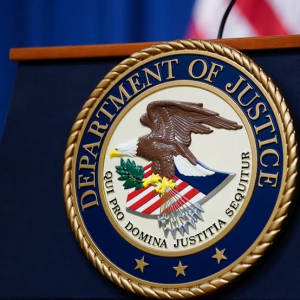
On Monday, the U.S. Justice Department introduced new regulations to safeguard federal government data and bulk personal data of Americans from countries like China, Iran, and Russia. These rules will impose restrictions on specific business transactions in order to prevent foreign adversaries from obtaining American financial, genomic, and health data for malicious purposes such as cyber attacks, espionage, and blackmail.

President Joe Biden’s executive order earlier this year laid the groundwork for these regulations, which also extend to Venezuela, Cuba, and North Korea. This initiative reflects the ongoing efforts to prevent the unauthorized transfer of American personal data to China, a key point of contention in the trade and technology disputes between the two nations.

In 2018, China’s Ant Financial’s plan to acquire U.S. money transfer company MoneyGram International was rejected by a U.S. panel due to concerns over the safety of data that could potentially identify U.S. citizens and pose national security threats. Transactions with data brokers who transfer information to “countries of concern” are now banned, along with the transfer of any data on U.S. government personnel.

The new proposal outlines specific details of the types and amounts of data that cannot be transferred, including human genomic data of over 100 Americans, personal health or financial data of over 10,000 individuals, and precise geolocation data of over 1,000 U.S. devices. The Justice Department will enforce compliance with both criminal and civil penalties. U.S. officials also warned that Chinese apps like TikTok could violate the proposal if they transfer sensitive data from U.S. users to their Chinese parent company.

DoJ Issues Rulemaking to Protect Americans’ Personal Data

On October 21, 2024, the Department of Justice (DoJ) introduced a new rule aimed at safeguarding Americans’ sensitive data from being sold or transferred to adversarial countries. This proposed rule is a crucial part of President Biden’s executive order, “Preventing Access to Americans’ Bulk Sensitive Personal Data and United States Government-Related Data by Countries of Concern,” issued in February.

In March, the Justice Department released a draft of the rule in response to Congress’ inability to pass comprehensive privacy legislation. The new rule identifies China, Russia, Iran, North Korea, Cuba, and Venezuela as countries of concern, as their access to certain data poses a threat to national security. The DoJ’s proposed rule sets out clear guidelines for data transactions that could risk providing these countries or individuals with access to government-related or sensitive personal data. The aim is to prevent the large-scale transfer of such data to these specific countries.

The proposed rule outlines various categories of prohibited and restricted transactions, identifies countries and individuals subject to the rule, lists exempt transaction categories, provides details on bulk threshold determination methodology, offers an initial assessment of economic and regulatory impacts, establishes procedures for issuing licenses for select transactions, offering advisory opinions, and designating covered individuals, and outlines requirements for recordkeeping, reporting, and due diligence obligations related to covered transactions, as detailed by the Department of Justice.

The White House and lawmakers have taken steps to ban TikTok on government-issued devices due to data privacy concerns, but the rule does not extend to all apps or social media platforms from foreign adversaries. The program is focused on addressing serious data security risks and the National Security Division of the Department of Justice is seeking public feedback on the proposed rule within 30 days. They are inviting input from industry groups, trade associations, experts, and others who may be impacted by the rule.

US Potential Ban on Asian Countries: An Eye-opener on the Need For Robust Cybersecurity Practices

The new rules unveiled by the US to block China, Russia, and Iran from accessing bulk US data highlight the ongoing importance of cybersecurity in today’s interconnected world. It is crucial for individuals and organizations to stay vigilant against cyber threats and take necessary measures to protect their data.

Secure Your Data: Expert Guidance Awaits!

In today’s digital landscape, protecting your data is more crucial than ever. At The SamurAI, we specialize in helping individuals and organizations enhance their cybersecurity measures against emerging threats. If you want to learn more about safeguarding your sensitive information from foreign adversaries, schedule a consultation with our experts. We offer tailored strategies and best practices designed to keep your data secure. Don’t wait until it’s too late—take proactive steps to ensure your peace of mind. Stay informed, stay protected, and stay cyber-safe. Contact us now!


2024 Cybersecurity Recap: Breaking Down the Most Dangerous Cyber Threats of the Year

Ever heard of a “pig butchering” scam? How about a DDoS attack so massive it could fry your brain? The year 2024 cybersecurity roundup covers everything from government confrontations to insidious malware and a sprinkle of app store mischief. As technology advances, so does the potential for cybercrime to increase.

The number of cyber attacks is on the rise, and they are becoming more complex and harmful. The costs of cybercrime are increasing and are projected to reach over $24 trillion by 2027. In the meantime, here are some of the most significant cyber threats that rocked the digital world in 2024.

Top Cybersecurity Threats in 2024

AI Cyber Threats

Without any doubt, AI has brought about significant changes in the realm of cyber threats. AI-driven attacks leverage machine learning to swiftly assess security systems, pinpoint vulnerabilities and breach them. This has led to a surge in both the complexity and frequency of cyber attacks. A survey conducted by CFO.com in 2023 revealed that 85% of cybersecurity professionals attribute the increase in cyber threats to AI tactics.

Furthermore, reports in 2023 indicate that 90% of startup founders are apprehensive about the perilous nature of AI cyber-attacks. This has prompted a shift towards a more proactive approach to fortify systems and bolster security measures.

Notably, AI has revolutionized the landscape of phishing as well, with 95% of businesses concurring that phishing attacks have become more sophisticated and personalized over the past year. However, it’s worth noting that AI hasn’t solely brought negative implications for cybersecurity.

In fact, it has enhanced its capabilities in recent years. Security systems that harness AI have heightened threat detection, increased automation, and the ability to identify vulnerabilities in systems. Innovative technologies like IBM’s AI threat detection systems empower businesses to proactively combat AI-driven attacks with AI-powered security measures.

Social Engineering Attack

Social engineering remains a top hacking technique utilized by cybercriminals, leveraging human error rather than technical flaws. This makes these attacks particularly dangerous as humans are easier to deceive than breaching security systems. Verizon’s 2023 Data Breach Investigations report reveals that 74% of data breaches involve human interaction, with 75-91% of targeted cyberattacks starting with an email.

In 2023, social engineering was instrumental in obtaining employee data and credentials, with attacks becoming more sophisticated due to advancements like deepfakes and Generative AI. As a result, identifying and defending against these attacks has become increasingly challenging, prompting cybersecurity companies to enhance their systems rapidly.

Common Types of Social Engineering

Some common types of social engineering attacks include:

  • Phishing: Cybercriminals use emails, texts, or social media messages to trick individuals into revealing personal information like bank account details, social security numbers, and passwords.
  • Spoofing: Attackers disguise themselves as legitimate sources by faking email addresses or creating fake websites to deceive people into sharing sensitive information.
  • Whaling: A targeted phishing attack aimed at high-ranking executives to gain access to confidential data or transfer significant amounts of money.
  • Baiting: Scammers entice individuals with fake advertisements offering free products or discounts, which may lead to malware installation or the theft of personal information.

Insider Threats

An insider cyber threat refers to a situation where someone within a company or organization, like an employee or contractor, is responsible for a cyber attack. There are two main categories of insider threats: intentional and non-intentional. In the case of intentional insider threats, the individual purposely misuses their access to carry out harmful actions, such as leaking confidential information or disrupting systems. On the other hand, non-intentional insider threats occur when an individual unknowingly causes a security breach, like falling victim to a phishing scam or mishandling sensitive data.

Intentional insider threats are particularly challenging to identify since these individuals already have legitimate access to internal systems. The consequences of such threats can be severe, as evidenced by a 2018 incidentwhere a Telsa employee, who was upset about a denied promotion, intentionally shared valuable and damaging company data with external parties.

State Sponsored Attacks

One of the most dangerous cyber security threats in 2024 is state-sponsored attacks, where one nation targets another government or organization. These attacks have increased in frequency in recent years, often fueled by political tensions and conflicts.

For instance, the NSA, FBI, and CISA have warned of China-sponsored groups targeting critical American infrastructure. State-sponsored cyber attacks have also played a significant role in the ongoing conflict between Russiaand Ukraine.

These attacks can have various motivations, such as stealing sensitive information from military, businesses, and government entities, spreading propaganda or misinformation, or disrupting government and military operations by targeting key digital infrastructure.

Third-Party Exposure

Cybercriminals can bypass security measures by exploiting vulnerabilities in less secure networks owned by third parties with privileged access to the cybercriminal’s desired target. An alarming incident in early 2024 involved AT&T dealing with a significant breach through a third-party network, affecting over 70 million customers and exposing sensitive information such as call records, passwords, and more.

This type of cyber intrusion is particularly concerning as many third-party networks often have weaker security measures compared to the larger companies they collaborate with. The frequency of third-party threats has been on the rise, with 29% of all data breaches in 2023 stemming from third-party attacks.

Error in Configuration

It is highly likely that even professional security systems contain at least one error during installation and setup. An error in configuring a cyber security system can create a significant vulnerability. A report from security company Censys in 2023 revealed that over 8,000 servers were vulnerable to data breaches as a result of misconfigurations.

This creates an opportunity for cybercriminals to exploit weak security systems and access sensitive information. Common configuration issues that can lead to cyberattacks include using weak passwords and improper firewall setup. Here are some ways to avoid the most common configuration mistakes that lead to cyberattacks:

  • Updating Device Default Configuration: It is imperative to change default security settings on devices such as printers and fax machines to prevent potential hacking risks. Ensure that the IT team configures strong passwords and security settings for these devices to enhance network security.
  • Implementing Network Segmentation: To enhance data security, consider implementing network segmentation to separate sensitive information from the main network. This will help to limit access to company data and control the flow of information within the network.
  • Maintaining Software Updates and Patches: Regularly updating computer software and patching operating system issues is crucial to protect your devices from cyber attacks. It is important to retire outdated systems and ensure that all software is up to date to prevent security vulnerabilities.
  • Enforcing Strong Password Policies: Strengthen security measures by enforcing strict password requirements and complex criteria for all employees, especially those with high-level access. This will help to prevent unauthorized access to sensitive company information.

Ransomware

Ransomware, a type of malware that blocks access to software or files in a computer system until a specific sum of money is paid, is one of the most financially burdensome cyber attacks. While these attacks are not new, they have become more expensive and frequent in recent years. The average ransom fee between 2023 and 2024 increased by over 500% from $400,000 to $2 million.

Cybercriminal groups are constantly evolving their tactics, similar to legitimate software companies. They are always looking for ways to make data exfiltration quicker and easier, and may even rebrand their ransomware to make it harder to detect. As a result, companies not only have to pay the ransom to regain access to their systems, but also lose income during the downtime. In 2023, the average length of system downtime after a ransomware attack was 136 hours or 17 business days.

Cloud Vulnerabilities

The widespread adoption of cloud technology has revolutionized the digital landscape, offering improved efficiency and security for data storage. However, despite the potential benefits, recent reports indicate a significant rise in cloud vulnerabilitiesAccording to Check Point, there has been a 154% increase in cloud security breaches over the past year alone.

While cloud computing is generally considered secure, even the smallest misconfiguration or oversight can leave sensitive data exposed to hackers. A prime example of this is the data breach experienced by Toyota in 2023, which compromised the personal information of 260,000 customers due to a cloud misconfiguration. Similarly, millions of AT&T customers were impacted by a breach that exploited a vulnerability in the third-party cloud service Snowflake, resulting in one of the largest data breaches in history.

These incidents serve as a reminder that while the cloud offers many advantages, organizations must remain vigilant in implementing robust security measures to protect their data from potential threats.

Mobile Device Vulnerabilities

Two decades ago, cell phones were not considered as much of a risk as they are today. Nowadays, these devices, often referred to as “miniature computers,” have become a significant cyber threat. The amount of sensitive data stored on mobile devices adds a new layer of security concerns. Many times, multi-factor authentication is directly linked to mobile phones, creating opportunities for cybercriminals to exploit.

In the most severe cases, criminals can hijack a phone’s SIM card, gaining access to a plethora of sensitive information including banking details, cryptocurrency accounts, and payment platforms like Google/Apple Pay. With 97% of American adults owning a smartphone, approximately 252 million people are potentially at risk. This large user base makes mobile devices an attractive target for cybercriminals.

Unlike other devices that often have security measures in place like firewalls, encryption, and Virtual Private Networks (VPNs), mobile phones lack the same level of protection, making them more susceptible to attacks. Additionally, hackers have started targeting Mobile Device Management (MDM) systems, which are designed to help companies safeguard corporate data on employees’ devices. Ironically, these systems can be exploited by cybercriminals to launch coordinated attacks on multiple employees within a company simultaneously.

Internet of Things Attacks

The Internet of Things (IoT) has emerged as a groundbreaking technological advancement in the 21st century. Composing a network of interconnected devices such as appliances, vehicles, and sensors, IoT offers unparalleled automation and control capabilities. However, this connectivity also exposes these devices to new and evolving cyber threats.

With the onset of the COVID-19 pandemic, the adoption of IoT devices skyrocketed as people sought remote solutions. Consequently, there was a sharp increase in cyber attacks on smart devices. By 2022, the number of attacks on IoT devices reached a staggering 112 million, a significant surge from just 32 million in 2018. This rise can be attributed to the rapid expansion of IoT technology, as well as the inherent vulnerabilities of these devices, which often lack robust security measures compared to traditional devices.

Stay Ahead of Cyber Threats: Secure Your Future with a Customized Cybersecurity Consultation

This year has shown us that cyber threats can emerge from unexpected sources, even within apps and networks we trust. The first step to staying ahead of evolving threats is understanding their complexity. For any organization aiming to thrive in the digital age, navigating the intricate cybersecurity landscape is critical.

The key takeaway? Stay sharp, challenge the norm, and never stop learning. Together, we can outsmart malicious actors. Connect with The SamurAI for a personalized cybersecurity consultation and see how our experts can help fortify your defenses for the year ahead.


US Reaches $31.5 Million Settlement With T-Mobile Over Data Breaches

T-Mobile Settles for $31.5 Million: Key Takeaways on Data Breaches

The Federal Communications Commission announced on Monday that T-Mobile has agreed to a $31.5 million settlement to address a probe into multiple data breaches over three years affecting millions of U.S. consumers.

As part of the settlement, T-Mobile will pay a $15.75 million fine and allocate an additional $15.75 million over the next two years to enhance its cybersecurity measures. The FCC revealed that T-Mobile experienced data breaches in 2021, 2022, and 2023 impacting a significant number of current, former, and potential customers.

T-Mobile Cybersecurity Practices Poor?

According to the FCC, the breach in 2021 affected 76.6 million U.S. consumers, while a breach in 2023 impacted 37 million individuals. T-Mobile, the third largest wireless carrier in the country with 119.7 million customers, has been instructed by the FCC to address fundamental security weaknesses, enhance cybersecurity practices, and implement advanced security measures such as zero trust and phishing-resistant multi-factor authentication.

FCC Chairwoman Jessica Rosenworcel emphasized the importance of securing mobile networks, noting that they are prime targets for cybercriminals. She warned that providers handling sensitive information must strengthen their systems or face consequences for failing to do so.

T-Mobile Isn’t the Only Company Facing Similar Predicament

T-Mobile emphasized its commitment to protecting customer information and stated that they have heavily invested in enhancing its cybersecurity program. They also mentioned their ongoing dedication to strengthening cybersecurity measures.

Recently, the FCC announced that AT&T agreed to pay $13 million to settle an investigation into a data breach involving a cloud vendor that affected millions of wireless customers. Additionally, AT&T disclosed a separate hacking incident in April that led to the unauthorized download of approximately 109 million customer accounts, which is currently being investigated by the FCC.

In a similar vein, Verizon’s TracFone Wireless agreed to pay $16 million and implement reforms in response to data breaches, as announced by the FCC in July.

T- Mobile Cyber Attack: What Went Wrong

According to a regulatory filing from T-Mobile, hackers were also able to access customers’ emails, phone numbers, and plan details, including account numbers. The company first detected the breach on January 5,2023 and successfully halted the malicious activity within 24 hours.

According to T-Mobile, it is believed that the data compromise began around November 25, 2022 and they are currently cooperating with law enforcement on the issue. T-Mobile, however, stated that there is no evidence to suggest that the hacker was able to breach or compromise their systems or network.

According to anonymous senior U.S. government officials cited by The Wall Street Journal, T-Mobile’s failure to disclose the unauthorized data access that led to a fine reportedly violated a national security agreement necessary for the company’s $26 billion merger with Sprint.

The report also revealed that T-Mobile purportedly neglected to address unauthorized access to sensitive data promptly and failed to promptly report it, thereby breaching the agreement. These alleged violations reportedly hindered CFIUS’ attempts to mitigate potential risks to national security assets resulting from the data breach.

What should Those Affected by T-Mobile Data Breaches do?

If you’re affected by the T-Mobile Cyberattacks, here are some actions you can take to protect yourself.

  1. Change Your Password: Immediately update your password for the breached account. Make sure the new password is strong and unique, not previously used on any other platform.
  2. Reset Passwords for Other Accounts: If you’ve used the same or similar passwords for other online accounts, reset those as well. This is crucial as attackers often try using stolen passwords on multiple sites.
  3. Enable Two-Factor Authentication (2FA): Activate 2FA on the breached account. Consider enabling this additional security feature on all other important online accounts to significantly reduce the risk of unauthorized access.
  4. Monitor Your Accounts: Keep an eye on your accounts for any suspicious activity and report it immediately to the respective platform or service provider.

Don’t Wait to Protect Your Personal Information

Taking immediate action after a hack or breach is crucial. Don’t rely on the affected companies to dictate your response; instead, take a proactive approach. It is your personal information and financial security on the line, so do not delay in protecting yourself.

Strengthen Your Security: Tailored Cybersecurity Solutions from The SamurAI

Ready to protect your business from cyber threats? At The SamurAI, we offer cutting-edge cybersecurity solutions tailored to your needs. Don’t leave your security to chance—contact us today to schedule a free consultation and empower your organization with robust protection!


The State of SaaS Security 2024 Report

The SaaS Security Landscape in 2024: Navigating New Risks and Challenges

The exponential growth of SaaS has brought about critical security challenges that every organization must address. In the previous year, state-sponsored groups and malicious actors capitalized on widespread vulnerabilities in SaaS platforms, resulting in significant data breaches. Of particular concern is the development of generative AI features in SaaS applications, which can covertly access and exploit sensitive organizational information.

As new threat trends continue to surface, the readiness of CISOs to combat evolving risks will be put to the test in 2024 and beyond. Our report, based on the analysis of key stakeholders, aims to shed light on the SaaS security 2024 report and ultimately would enable us to provide a data-driven forecast for the year ahead.

The State of SaaS Security: Why is it So Important?

Saas security encompasses the measures put in place by an organization to protect data and accounts accessed through cloud-based third-party services. Both the service provider and the client bear the responsibility for maintaining this security. Saas platforms are built for remote access from different devices and locations, providing flexibility and efficiency. Nevertheless, this also increases the risk of cyber threats.

The complexity of SaaS security is heightened by the use of an average of 130 different SaaS platforms by companies, each with unique data access levels, server-side security provided by third-party vendors, and varying user account security measures. Incorporating third-party services into SaaS solutions introduces additional security challenges that are often difficult to manage directly.

Shared responsibility in SaaS security can result in overlooked vulnerabilities and gaps in defense. Ensuring regulatory compliance becomes more challenging with multiple SaaS vendors, particularly when navigating various legal and industry standards.

The State of SaaS Security 2024 Report: Key Discovery 

The 2024 State of SaaS Security Report reveals a significant disparity between the confidence of security leaders in their current security measures for SaaS applications and the actual risks and challenges present in the SaaS security landscape.

The report, combining industry survey data with insights from hundreds of enterprise SaaS applications, reveals alarming trends. These include a rise in SaaS breaches, misconfigured security controls, exposure of sensitive data, and excessive access granted to third-party integrations such as GenAI tools.

Security & SaaS Breaches: Two Sides of the Same Coin

Security leaders are placing a high emphasis on SaaS security, with 96% ranking it as a top priority. Additionally, 93% of respondents noted a rise in their organization’s budget allocated for SaaS security compared to previous years. Despite this increased focus and investment, confidence in existing security programs remains strong, with 84% expressing a high level of confidence.

However, despite this, more than half (58%) of organizations have reported experiencing a SaaS security incident in the last 18 months. The occurrence of recent headline-grabbing SaaS breaches like the Microsoft Midnight Blizzard attack and the Cloudflare breach emphasizes the vulnerabilities of SaaS environments and the devastating effects they can have.

These incidents highlight the importance of a reality check and the necessity for proactive, automated security measures to safeguard SaaS-hosted data, enhance the management of human and non-human identities, and minimize potential attack surfaces in SaaS systems.

The State of SaaS Security Report 2024: An Excuse to Declare State of Emergency on Security Program

The report highlights the urgent requirement for a specialized SaaS security program. The increasing number and intricacy of contemporary SaaS applications, along with the widespread adoption of distributed management methods, are leading to a continually changing security environment. Conventional security teams are finding it challenging to stay ahead with manual tasks such as security checklists and regular audits.

What Next?

The SaaS security report exposes the unique obstacles that security leaders encounter when securing SaaS applications. These hurdles may result in misconfigurations, inconsistent security measures, and difficulties in maintaining oversight of SaaS deployments and third-party connections.

The report also offers suggestions for mitigating SaaS security threats, such as keeping track of SaaS applications, implementing ongoing monitoring, aligning configurations with recommended industry standards, following the Principle of Least Privilege (PoLP), and managing unused accounts, third-party integrations, and inactive data exchanges.

You can find the full report here

SaaS Security Breaches: How Do You Protect Yourself 

Addressing the challenges and trends associated with SaaS necessitates a comprehensive SaaS security strategy and remedies. Key features of these solutions, as well as recommended practices for implementation, encompass:

  • Implement context-aware ITDR: In order to distinguish between legit users behaving appropriately, legit users behaving inappropriately (such as insider threats), and illegitimate users, one must consider the business and HR factors at play. It is essential to analyze the typical behaviors of these users and their respective groups, departments, or roles within the company. Additionally, any changes in the user’s employment status, such as termination, should prompt a closer examination of their actions. An ITDR solution must be equipped to understand the context in which these behaviors occur in order to detect and respond to potential threats effectively.
  • Utilize automated workflows: Waiting for the InfoSec team to receive an alert and address a SaaS threat may result in delays. An efficient SaaS security system should include automated workflows for immediate detection and remediation of identified threats.
  • Be at Device Security Alert: Stay updated with all the apps connected to your SaaS ecosystem, including their permissions and tokens. Treat every third-party app as a potential security threat, even if it was previously used by just one user several years ago. Remove inactive apps, revoke unnecessary permissions, and take immediate action to secure OAuth tokens if there are any signs of compromise.

Do Not Sleep on the SaaS Security Report 

As our dependency on SaaS for building essential business applications and software grows, we need to reassess our approach to safeguarding data privacy and security. The practice of companies exchanging data for necessary features or quicker product development is no longer deemed acceptable.

The State of SaaS Security 2024 report has brought attention to the escalating security risks associated with SaaS applications. Through recognizing the importance of keeping data within internal systems, they have identified a notable gap in the market.

Software as a Service (SaaS) evolves rapidly, as does work and development. It’s important to stay updated on SaaS security trends and ensure that your security measures can effectively combat emerging threats. By staying ahead of the curve, you can maintain both SaaS productivity and security.

Take Action: Strengthen Your SaaS Security Today!

As the SaaS landscape evolves, so do the security challenges that organizations face. The findings in The State of SaaS Security 2024 Report highlight critical vulnerabilities and the urgent need for a proactive security strategy. Don’t wait for a breach to occur—empower your organization with the knowledge and tools necessary to safeguard your data. At The SamurAI, we specialize in tailored cybersecurity solutions designed to protect your SaaS applications from emerging threats. Take the next step to enhance your cybersecurity strategy by signing up for a free 30-minute threat intelligence consultation. Stay ahead of emerging threats and secure your organization for a safer tomorrow!


Free-Speech Advocates Tell Supreme Court: US TikTok Law Reminiscent of Dictatorships

In a world increasingly driven by digital interactions, the intersection of technology, freedom of speech, and national security has become a contentious battleground. At the forefront of this debate is TikTok, the wildly popular social media app with over a billion users worldwide. The U.S. government has been pursuing restrictions on TikTok, citing national security concerns due to its ownership by Chinese tech giant ByteDance. Recently, free-speech advocates have stepped forward, likening these legislative measures to the practices of authoritarian regimes, and the debate has reached the Supreme Court.

The Controversial TikTok Legislation

The proposed U.S. TikTok law seeks to ban the app or heavily regulate its operations, alleging that TikTok could be used as a tool for espionage or to influence American public opinion. While concerns about data privacy and foreign interference are valid in the digital age, critics argue that the legislation goes too far, threatening fundamental freedoms.

This isn’t the first time TikTok has faced scrutiny in the United States. In 2020, former President Donald Trump issued an executive order aimed at banning the app, though legal challenges stalled its implementation. The current proposed legislation echoes similar concerns, but it has escalated the stakes by introducing the possibility of criminal penalties for individuals who use or promote the app after a ban.

Free-Speech Advocates Sound the Alarm

Free-speech organizations, including the American Civil Liberties Union (ACLU) and the Electronic Frontier Foundation (EFF), have strongly criticized the proposed TikTok law. These groups recently filed amicus briefs with the Supreme Court, warning that such measures dangerously encroach on First Amendment rights. They argue that banning TikTok sets a precedent for the government to restrict access to platforms based on their origin or perceived threats, a tactic more commonly associated with authoritarian regimes than democratic societies.

“The right to access information and freely express oneself is fundamental to a free society,” said a representative from the ACLU. “A ban on TikTok not only limits speech but also undermines the open internet, a cornerstone of democracy.”

These advocates further contend that banning an entire platform over national security concerns ignores less invasive alternatives. Enhanced data security measures, stricter compliance requirements, or even an independent oversight board could address these concerns without infringing on civil liberties.

Parallels to Authoritarian Practices

Comparisons between the U.S. TikTok law and authoritarian policies are stark. In countries like China, Russia, and Iran, governments routinely block platforms that they cannot control, citing threats to national security or social order. These actions stifle dissent, limit the free flow of information, and consolidate government control over public discourse.

For the U.S., a nation that has long championed free speech and internet freedom, a TikTok ban could undermine its moral authority on the global stage. Critics worry that such a move signals a dangerous shift toward censorship under the guise of security, opening the door to future restrictions on other platforms.

The Supreme Court’s Role

The Supreme Court’s decision on the TikTok law will set a significant precedent for the future of digital freedom in America. As the justices weigh the balance between national security and individual rights, the broader implications for internet governance, corporate accountability, and international relations cannot be ignored.

Legal experts predict that the case will hinge on whether TikTok’s ban constitutes a violation of the First Amendment. Historically, the Court has upheld the principle that speech cannot be restricted unless it poses a clear and present danger. Whether TikTok meets this threshold remains a contentious question.

Defending Digital Freedom

As this case unfolds, it is crucial for citizens, policymakers, and tech advocates to engage in the conversation about digital rights. Here’s how you can make a difference:

  • Stay Informed: Keep up with the latest developments in the Supreme Court case and understand the arguments from both sides. Trusted resources like the Electronic Frontier Foundation andACLU provide in-depth analyses.
  • Speak Out: Voice your concerns to your elected representatives. Tools like the  Free Speech Coalition’s Action Center make it easy to contact lawmakers.
  • Support Advocacy Groups: Organizations fighting for digital rights rely on public support. Consider donating to groups like EFF or volunteering your time.
  • Educate Others: Share information about the implications of the TikTok ban with your community. Host discussions, write op-eds, or use social media platforms to raise awareness.

Final Thoughts: Safeguarding Freedom in a Digital World

As technology continues to shape global connectivity, it is crucial to strike a balance between national security and preserving fundamental freedoms. The discourse surrounding the US TikTok law highlights the complexities of this balance. While concerns about data privacy and national security are valid, the approach must avoid mirroring the restrictive practices of authoritarian regimes. The preservation of free speech and digital freedom should remain at the forefront of any legislative decision.

Join the Conversation with The SamurAI

At The SamurAI, we believe in empowering individuals and businesses to navigate the digital landscape responsibly and securely. Whether you’re concerned about cybersecurity or advocating for a free and open internet, our tools and insights can help you stay informed and prepared.

  • Explore our cutting-edge cybersecurity solutions.
  • Join our community of digital rights advocates.
  • Engage with tools designed to protect your online freedom.

Together, let’s champion a secure and democratic digital future. Visit us at The SamurAI Cyber Lab today!


Top Procurement Trends to Watch in 2025: Transforming the Future of Supply Chain Management

The procurement landscape is evolving rapidly, driven by technological advancements, changing market dynamics, and a growing emphasis on sustainability. As we step into 2025, businesses must adapt to stay competitive. Here are the top procurement trends that will shape the future of supply chain management and how your organization can stay ahead.

1. Sustainability Takes Center Stage

With consumers and stakeholders demanding greater accountability, sustainability is no longer optional. Companies are rethinking their supply chains, prioritizing ethical sourcing, reducing waste, and adopting circular economy models. In 2025, expect stricter regulations and incentives to accelerate sustainable procurement practices.
💡Action Tip: Conduct a supply chain audit to identify opportunities for reducing environmental impact.
👉Learn how sustainable procurement can give your business a competitive edge here.

2. AI and Automation Revolutionizing Procurement

Artificial intelligence (AI) and automation are streamlining procurement processes, from supplier selection to spend analysis. AI-powered tools can predict market trends, optimize costs, and enhance decision-making, making procurement teams more efficient than ever.
💡Action Tip:Invest in AI-driven procurement software to save time and improve accuracy.
👉Explore the best AI tools for procurement in 2025 here.

3. Emphasis on Supplier Collaboration

Building strong, collaborative relationships with suppliers is becoming a top priority. Businesses are moving from transactional interactions to partnerships that drive innovation and shared success. Supplier Relationship Management (SRM) tools will be key in fostering trust and transparency.
💡Action Tip:Organize quarterly supplier reviews to align goals and expectations.
👉Read our guide to effective supplier collaboration here.

4. Data-Driven Decision-Making

In 2025, procurement professionals will rely heavily on data analytics to gain actionable insights. Big data can help track spending patterns, predict supply chain risks, and uncover cost-saving opportunities. The focus will be on integrating data across platforms for a unified view of operations.
💡Action Tip:Leverage advanced analytics tools to make informed procurement decisions.
👉Discover how to build a data-driven procurement strategy here.

5. The Rise of ESG in Procurement

Environmental, Social, and Governance (ESG) considerations are becoming integral to procurement strategies. Businesses are expected to evaluate suppliers based on ESG criteria, ensuring ethical practices throughout the supply chain.
💡Action Tip:Incorporate ESG metrics into your supplier evaluation process.
👉Find out how to align your procurement with ESG goals here.

6. Digital Transformation Accelerates

Digital transformation continues to reshape procurement. Blockchain for transparency, IoT for real-time tracking, and cloud-based procurement platforms will dominate. These technologies offer agility and resilience, enabling organizations to adapt to disruptions seamlessly.
💡Action Tip: Assess your current technology stack and identify gaps in digital capabilities.
👉Get insights into the must-have procurement technologies for 2025 here.

7. Focus on Talent Development

As procurement becomes more strategic, there’s an increased focus on upskilling teams. Procurement professionals will need expertise in analytics, negotiation, and technology to thrive in 2025.
💡Action Tip: Launch training programs to prepare your team for the future.
👉Check out top procurement certifications and training programs here.

Stay Ahead of Procurement Trends

The procurement landscape in 2025 will be defined by innovation, collaboration, and a commitment to sustainability. By embracing these trends, your organization can build a resilient supply chain that drives growth and value.
Don’t wait to adapt—be proactive! Whether you’re exploring AI, strengthening supplier relationships, or prioritizing ESG, now is the time to take action.
👉Connect with our experts for a personalized consultation here.
Stay tuned for more insights on navigating the future of procurement. Follow us on LinkedIn and Twitter for updates. Together, let’s build smarter, sustainable supply chains for tomorrow!


Zscaler Updates Annual Revenue Forecast and Announces CFO’s Retirement

The cybersecurity giant, Zscaler, has recently made waves in the industry by raising its annual revenue forecast, signaling robust growth and market confidence. Alongside this announcement, the company revealed the upcoming retirement of its Chief Financial Officer (CFO), a transition that marks the end of an era and the beginning of new leadership opportunities. Here’s a deeper look into these pivotal updates and what they mean for Zscaler’s future.

A Strong Revenue Outlook Reflecting Market Dominance

Zscaler’s decision to raise its annual revenue forecast comes as no surprise to industry watchers. The company’s innovative approach to secure cloud solutions and its Zero Trust Exchange platform has continued to gain traction, enabling businesses worldwide to embrace digital transformation securely. In its latest financial update, Zscaler projected annual revenue growth significantly above initial estimates, showcasing its resilience in a competitive market. This upward revision underscores strong demand for its services, particularly as enterprises prioritize robust cybersecurity frameworks in an increasingly digital world.

Discover how Zscaler’s Zero Trust Exchange can transform your organization’s security.

The Legacy of a Distinguished CFO

The announcement of the CFO’s retirement marks a significant milestone for Zscaler. Under their financial stewardship, the company achieved numerous milestones, including a successful IPO, consistent revenue growth, and a strengthened market position.

This transition comes at a time when Zscaler is better positioned than ever, thanks to strategic investments and a customer-centric approach. The company has assured stakeholders that the search for a new CFO is underway, aiming for a seamless handover to ensure continued financial excellence.

Explore Zscaler’s journey and milestones.

The Road Ahead for Zscaler

With a raised revenue forecast and a CFO transition, Zscaler is signaling a promising future. These developments reflect a company that is not just responding to market needs but shaping the cybersecurity landscape. Investors, customers, and industry analysts are all keeping a close watch as Zscaler continues to deliver on its promises.

Looking ahead, Zscaler’s focus on innovation, customer trust, and operational excellence is expected to drive further growth. The leadership change will undoubtedly bring fresh perspectives, ensuring the company remains a pioneer in the cybersecurity domain.

Stay updated on Zscaler’s latest news and insights.

Why This Matters for the Cybersecurity Industry

Zscaler’s updates come at a critical juncture where cybersecurity has never been more important. Businesses across industries are grappling with increasingly sophisticated threats, and Zscaler’s solutions are proving to be indispensable. The raised revenue forecast is not just a win for Zscaler but a testament to the growing recognition of Zero Trust as a standard for enterprise security.

As the company undergoes this leadership transition, its commitment to delivering cutting-edge solutions remains steadfast. This ensures that Zscaler will continue to be a trusted partner for organizations navigating the complexities of cybersecurity.

Final Thoughts

Zscaler’s raised revenue forecast and the announcement of its CFO’s retirement mark a defining moment for the cybersecurity leader. As the company accelerates its growth trajectory, it continues to solidify its position at the forefront of enterprise security. The leadership transition is poised to bring fresh perspectives, aligning seamlessly with Zscaler’s commitment to innovation and customer trust.

For businesses navigating today’s complex cybersecurity landscape, Zscaler’s success story is an inspiration—a testament to the power of innovation, adaptability, and a relentless focus on delivering value.

Take the Next Step with The SamurAI

Inspired by Zscaler’s journey? The SamurAI platform is here to help you sharpen your cybersecurity skills and elevate your organization’s defenses. Our state-of-the-art cyber labs, AI-powered tools, and gamified learning experience ensure that you’re ready for the challenges of tomorrow.

Explore The SamurAI Cyber Lab to test your defenses against real-world threats. Looking to empower your team with cutting-edge knowledge? The SamurAI integrates the best in AI and cybersecurity training to ensure you’re always ahead. Learn how The SamurAI is redefining cybersecurity education. Join us on a journey where innovation meets excellence, and see how you can shape the future of cybersecurity for your organization. Start your SamurAI experience today.


Facebook Data Breach: German Court Rules Users Eligible for Compensation

In a landmark ruling, a German court has paved the way for Facebook users affected by a massive data breach to claim compensation, setting a significant precedent in the ongoing battle for digital privacy rights. This decision underscores the growing accountability tech giants face in safeguarding user data.

The Breach That Sparked the Case 

The case stems from a 2019 incident where sensitive data of over 530 million Facebook users worldwide, including phone numbers, email addresses, and other personal information, was exposed on the internet. This breach affected users across several countries, leaving many vulnerable to phishing scams, identity theft, and other cybersecurity risks. While Facebook, now Meta, argued that the breach resulted from scraping—unauthorized data collection rather than a direct hack—courts and regulators remain firm that the company bears responsibility for protecting its users.

What the German Court Decided

The German Regional Court ruled that users whose data was compromised could claim damages for the distress caused by the breach. This decision follows a growing trend in Europe, where courts and regulators are leveraging the General Data Protection Regulation (GDPR) to hold companies accountable for lapses in data protection.

The ruling emphasized that the exposure of personal data creates a tangible risk of harm, including anxiety, financial loss, and loss of trust. As a result, affected users are entitled to seek financial compensation without having to prove direct financial damage—a notable shift in legal perspectives on data breaches.

What This Means for Facebook Users

If you’re a Facebook user affected by the 2019 breach, this ruling could be your opportunity to seek justice and compensation. In Germany, users can now join lawsuits or initiate individual claims, potentially recovering damages for the inconvenience, stress, and risks caused by the breach.

Additionally, this case may inspire similar rulings across Europe and beyond, pressuring Meta to settle claims or face prolonged legal challenges in multiple jurisdictions.

The Bigger Picture: Accountability for Big Tech

This ruling is part of a broader movement to hold tech companies accountable for how they handle personal data. With stricter privacy regulations like GDPR and increasing consumer awareness, companies like Facebook can no longer afford to treat data breaches as minor issues. The message is clear: user data is a responsibility, not a resource to be exploited.

What You Can Do

  • Check if You Were Affected: Several online tools can help you determine if your data was part of the breach.
  • File a Claim: If eligible, gather documentation and join group lawsuits or seek individual legal advice.
  • Strengthen Your Digital Security: Use unique passwords, enable two-factor authentication, and remain vigilant against phishing attempts.

Conclusion

The German court’s decision is a step forward in holding companies accountable for data protection. As we navigate an increasingly digital world, your privacy and security should always come first. If you’re affected by the breach, take action today and stay informed about your rights.

For organizations and individuals looking to bolster their cybersecurity defenses, The SamurAI is here to help. Our cutting-edge solutions, including our Cyber Attack Simulator, empower you to stay ahead of potential threats and safeguard what matters most.

👉 Discover how The SamurAI can protect your future today.
👉 Contact us for a free consultation.

Your security is our mission. Join the fight for a safer digital world with The SamurAI!


T-Mobile Says Cyber Attackers Had No Access to Customer Data: What You Need to Know

In a recent announcement,T-Mobile confirmed that a cyberattack targeting its systems did not result in any customer data being compromised. As cybersecurity incidents continue to make headlines, this news comes as a relief to millions of T-Mobile subscribers. Let’s dive deeper into what happened, how T-Mobile responded, and what this means for you as a consumer.

The Incident: What Happened?

T-Mobile revealed that it detected unusual activity on its network that was immediately identified as an attempted cyber intrusion. According to the company, quick action by their cybersecurity team ensured the breach was contained, preventing the attackers from accessing sensitive customer information.

Key Points from T-Mobile’s Statement:

  • No Customer Data Accessed: T-Mobile affirmed that the attackers failed to breach the databases containing personal or financial customer information.
  • Swift Containment: The intrusion was identified and contained promptly, thanks to advanced security protocols and monitoring tools.
  • Transparency in Communication: T-Mobile has committed to keeping its customers informed about the incident.

For the official statement from T-Mobile, you can visit their Newsroom.

Cybersecurity: Why It Matters More Than Ever

While T-Mobile’s swift response is commendable, this incident underscores the importance of robust cybersecurity measures. For individuals and businesses alike, data breaches can have far-reaching consequences, including identity theft, financial loss, and reputational damage.

If you’re concerned about your own cybersecurity, consider the following tips:

  • Enable Multi-Factor Authentication (MFA): Add an extra layer of security to your online accounts.
  • Regularly Update Passwords: Use strong, unique passwords and update them frequently.
  • Monitor Your Accounts: Keep an eye on your bank statements, credit reports, and other sensitive accounts for unusual activity.
  • Educate Yourself: Stay informed about the latest cybersecurity threats and best practices.

Want to dive deeper into personal cybersecurity? Check out this comprehensive guide on How to Protect Yourself Online.

T-Mobile’s Cybersecurity Efforts

T-Mobile has invested heavily in strengthening its cybersecurity infrastructure in recent years. From implementing AI-powered monitoring systems to collaborating with leading security experts, the company is committed to safeguarding its customers’ information.

Some recent measures include:

  • Enhanced Threat Detection: Using machine learning to identify suspicious activity in real time.
  • Regular Audits: Conducting frequent security assessments to find and fix vulnerabilities.
  • Customer Education:  Providing resources on how users can protect their own devices and data.

Explore more about T-Mobile’s cybersecurity initiatives on their Security Center.

How You Can Stay Safe as a T-Mobile Customer

Even with T-Mobile’s robust systems in place, it’s crucial to take proactive steps to protect your data. Here are some actions you can take today:

  • Use the T-Mobile App: The app provides tools to monitor account activity and manage security settings. Download it here.
  • Activate Account Security Features: Enable features like Account PINs and port-out protection to prevent unauthorized changes.
  • Keep Your Devices Updated: Regularly update your phone’s software to patch security vulnerabilities.

For a step-by-step guide, visit T-Mobile’s Account Security Tips:

Your Next Steps

Data security is a shared responsibility. Here’s how you can take charge:

  • Subscribe to Updates: Stay informed about cybersecurity news and best practices by subscribing to T-Mobile’s Email Alerts.
  • Report Suspicious Activity: If you notice anything unusual, report it immediately to T-Mobile’s customer service at 1-800-T-MOBILE or visit their Help Center.
  • Educate Yourself: Learn more about common scams and how to avoid them by reading T-Mobile’s Fraud Prevention Resources.

Final Thoughts

Final Thoughts from SamurAI: Lessons in Cybersecurity Vigilance

T-Mobile’s swift and decisive response to this cyberattack serves as a powerful reminder of the importance of cybersecurity resilience. In today’s digital landscape, no organization is exempt from cyber threats. The difference lies in how prepared you are to detect, respond to, and recover from these incidents.

At SamurAI, we emphasize that robust cybersecurity is not just about reactive measures—it’s about staying ahead of attackers with predictive intelligence and proactive strategies. T-Mobile’s case reinforces the value of advanced threat detection, real-time monitoring, and transparent communication.

Key Takeaways for Businesses

  • Invest in AI-Driven Cybersecurity: Tools that leverage AI can detect and mitigate threats before they escalate. Learn more about AI in cybersecurity.
  • Prepare for the Unexpected: Simulated exercises like penetration tests or attack simulations can reveal vulnerabilities. Discover SamurAI’s Cyber Attack Simulator.
  • Educate and Empower: Building a culture of cybersecurity awareness among employees and customers is crucial. Explore SamurAI’s Training Programs.

Take Charge of Your Cybersecurity

Whether you’re an individual concerned about protecting your personal data or a business safeguarding customer trust, the time to act is now. At SamurAI, we provide intuitive, AI-powered solutions designed to meet the evolving challenges of today’s cyber threats.

🔗 Explore SamurAI’s Advanced Cybersecurity Tools: Visit SamurAI
🔗 Learn How to Strengthen Your Cyber Defenses: Get Started

Together, we can outsmart cyber threats and build a secure digital future. Stay vigilant, stay protected, and stay informed with SamurAI.


Dutch Watchdog Fines Netflix: A Wake-Up Call on Data Transparency

In a groundbreaking move, the Dutch Authority for Consumers and Markets (ACM) has fined Netflix for failing to properly inform customers about how their data is used. This decision has sparked a broader conversation about data privacy, transparency, and accountability in the digital age. With the streaming giant now facing significant financial penalties, it’s time for businesses and consumers alike to reassess their stance on data practices.

The Fine and Its Implications

Netflix, a household name in entertainment, found itself under scrutiny for not providing adequate information to its Dutch customers regarding data collection and usage. The fine, though hefty, serves as a warning shot to all digital service providers operating within the European Union.

The ACM’s decision highlights the importance of compliance with the General Data Protection Regulation (GDPR). Under GDPR, companies must clearly and transparently inform users about how their personal data is collected, processed, and stored. Netflix’s lapse in meeting these requirements has led to this penalty, showcasing the watchdog’s commitment to enforcing data privacy laws.

Why Does Data Transparency Matter?

In today’s connected world, users generate vast amounts of data with every click, search, and scroll. Companies use this data to personalize experiences, predict trends, and, most importantly, monetize their platforms. However, this reliance on data has a darker side—a lack of transparency can erode user trust and expose businesses to legal challenges.

For consumers, understanding how their data is used is critical. It empowers them to make informed decisions about the platforms they engage with. For businesses, transparent data practices build credibility and foster long-term relationships with their user base.

Netflix: A Learning Opportunity

Netflix’s situation is not unique. Many companies grapple with the complexities of GDPR compliance. However, this incident can serve as a learning opportunity for the tech industry. Here’s what businesses can take away:

  1. Transparency Is Key: Companies must ensure their data policies are easy to understand and accessible. A dedicated “Privacy Center” on their website can be a step in the right direction.
  2. Frequent Audits: Regularly reviewing and updating data practices ensures compliance with evolving regulations.
  3. Customer Education: Providing users with clear explanations about their rights under GDPR can help bridge the gap between compliance and trust.

What Consumers Can Do

As a consumer, your data is valuable. Here’s how you can take control:

  1. Read Privacy Policies: While often long and jargon-heavy, privacy policies contain crucial information about your data rights.
  2. Use Tools to Protect Your Data: Platforms like Privacy Badger or Ghostery can help you understand how websites track your data.
  3. Speak Up: If a platform’s data practices seem opaque or concerning, voice your concerns or file a complaint with the appropriate authorities.

Call to Action for Businesses

Companies must take proactive steps to avoid ending up in Netflix’s position. Here are actionable tips for businesses:

  1. Partner with Compliance Experts: Collaborate with GDPR compliance specialists to ensure your data practices meet legal standards.
  2. Invest in User Experience: Make privacy settings and information easy to navigate. Consider tools like  CookiePro to streamline cookie management.
  3. Stay Informed: Join industry forums or subscribe to updates on data privacy laws. IAPP is an excellent resource.

The Bigger Picture

Netflix’s fine is part of a larger trend where regulators are increasingly holding corporations accountable for their data practices. As more governments introduce and enforce stringent privacy laws, companies must adapt or face similar consequences. This case also underscores the critical role watchdogs like the ACM play in safeguarding consumer rights.

Final Thoughts: A Wake-Up Call on Data Transparency

The recent fine imposed on Netflix by the Dutch Data Protection Authority is a stark reminder that even industry giants are not exempt from the consequences of lax data transparency practices. This event underscores the growing global emphasis on consumer rights and data accountability, particularly as businesses operate in a digital-first landscape.

Netflix’s case should serve as a cautionary tale for companies across industries, not just in streaming or entertainment. Organizations need to proactively address data transparency and compliance, ensuring they are not only meeting legal obligations but also fostering trust with their users. Failure to do so can lead to reputational damage, hefty fines, and eroded consumer confidence.

As businesses expand globally, navigating the complex landscape of international data protection laws becomes increasingly challenging. Companies must adopt robust systems, policies, and training to keep pace with these regulations while prioritizing user privacy.

At The SamurAI, we empower organizations to navigate the complexities of data compliance and cybersecurity with confidence. Our advanced AI-driven tools and expert consulting services provide a tailored approach to risk management and regulatory adherence

Whether you’re seeking to fortify your data governance framework, simulate compliance scenarios, or educate your team on emerging standards, The SamurAI Dojo Cyber Lab is your ultimate partner in securing your digital operations.

Don’t let data compliance be your Achilles’ heel. Contact us today to explore how we can help safeguard your organization and enhance your commitment to transparency and trust.